Ugadi
New Beginnings, Fresh Hopes - Celebrating the Lunar New Year
New Beginnings
Celebrating fresh starts and new opportunities in the lunar new year
Family Unity
Strengthening bonds with loved ones through shared traditions
Life's Balance
Accepting all life experiences with wisdom and equanimity
About Ugadi
Ugadi, also known as Yugadi, is the New Year festival celebrated in the states of Andhra Pradesh, Telangana, and Karnataka in India. The name "Ugadi" is derived from Sanskrit words "Yuga" (age) and "Adi" (beginning), meaning "the beginning of a new age."
Ugadi marks the first day of the Hindu lunisolar calendar month of Chaitra and celebrates the arrival of spring season, symbolizing new life and fresh beginnings. This festival represents the victory of good over evil, light over darkness, and knowledge over ignorance.
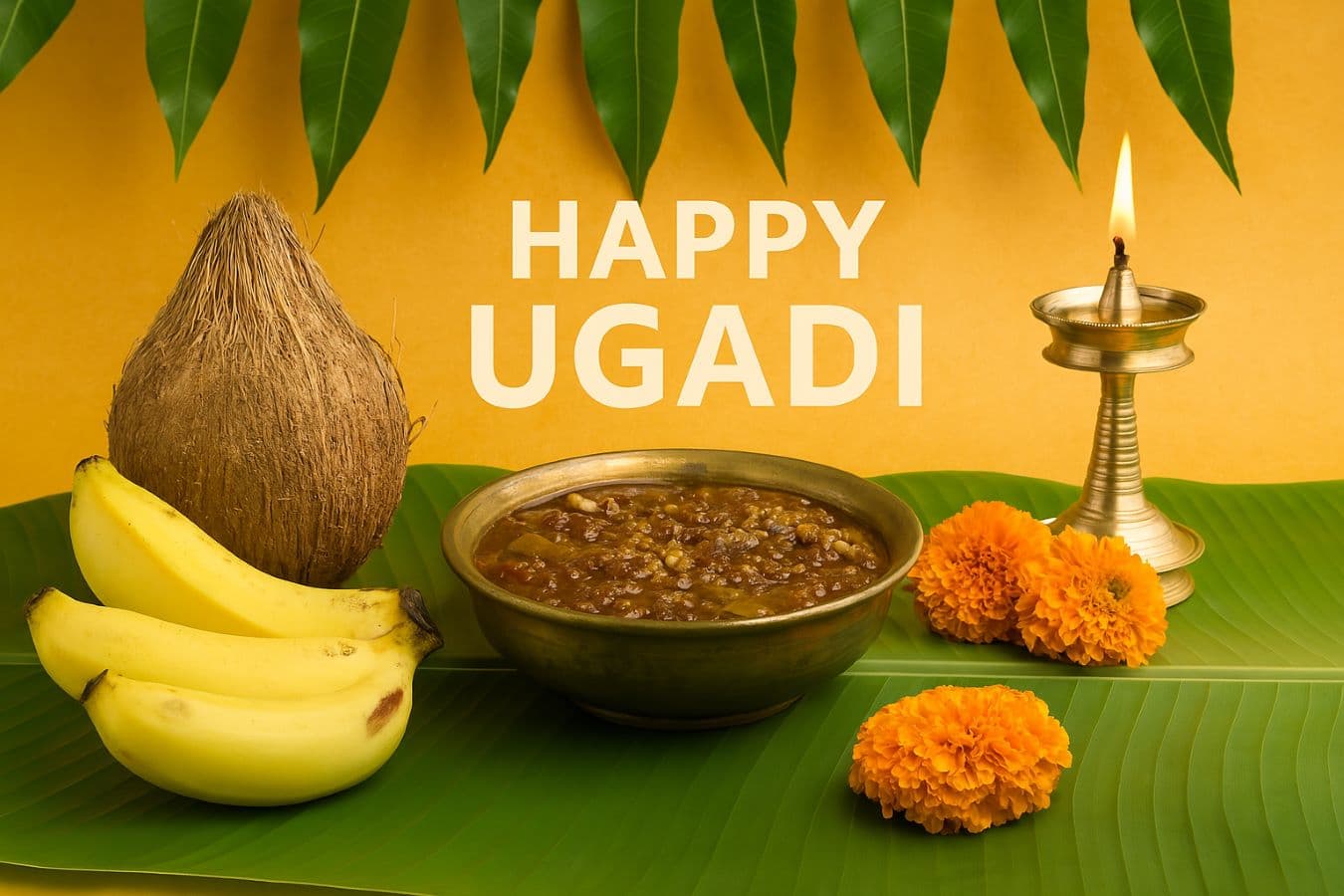
Happy Ugadi
Ugadi Traditions and Rituals
House Cleaning and Decoration
Homes are thoroughly cleaned and decorated with fresh mango leaves, floral patterns (muggulu), and colorful rangoli to welcome prosperity and positive energy.
Ugadi Pachadi Preparation
The special six-flavored dish representing different experiences of life is prepared with great care and devotion, using seasonal ingredients.
Temple Visits and Prayers
Families visit temples early in the morning to seek blessings for the new year and participate in special prayers, Panchanga Sravanam (annual predictions), and rituals.
New Clothes and Gifts
Wearing new clothes symbolizes shedding the old and embracing the new. Exchanging gifts with family members strengthens bonds and spreads joy.
Ugadi Pachadi - The Six Flavors of Life
The special dish prepared for Ugadi symbolizes the different experiences life offers, teaching acceptance and balance. Each flavor represents an aspect of human experience:
Sweet (Jaggery & Banana)
Happiness & Joy
Sour (Tamarind)
Challenges & Difficulties
Pungent (Green Chili)
Anger & Frustration
Bitter (Neem Flowers)
Sadness & Disappointment
Salty (Salt)
Fear & Anxiety
Astringent (Raw Mango)
Surprise & Unexpected Events
This unique preparation reminds us that life is a mixture of all experiences, and we must accept them all with equanimity.
Ugadi Gallery
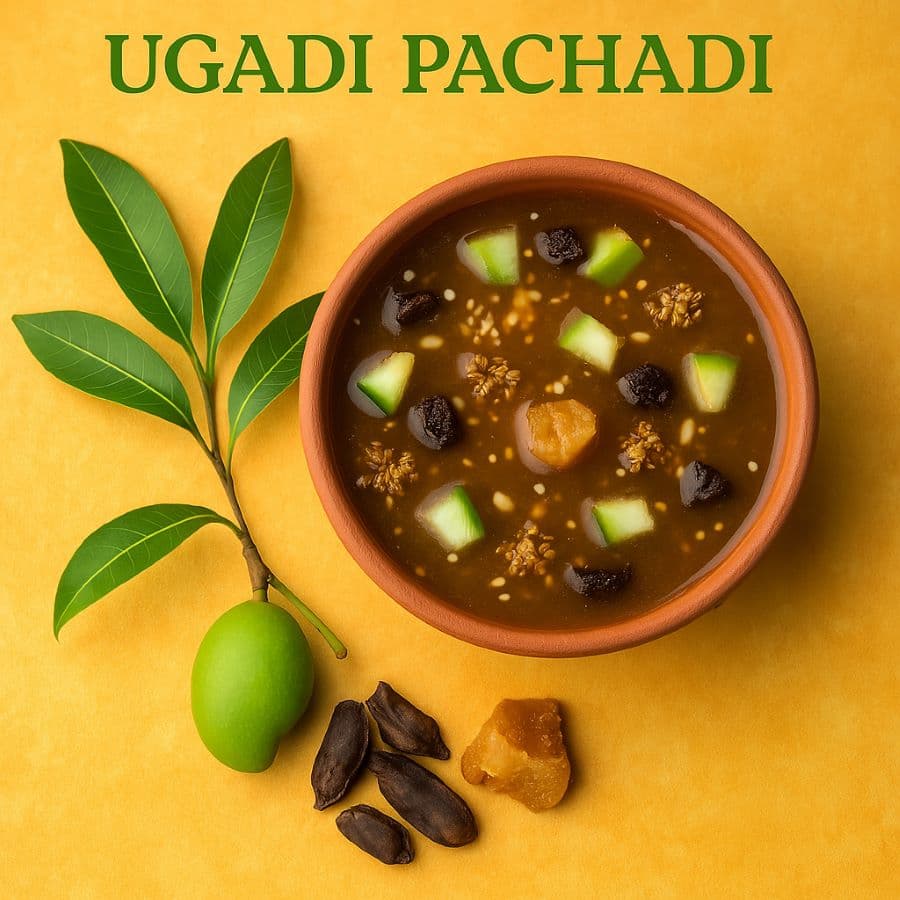
Ugadi Pachadi
Traditional six-flavoured festive mixture
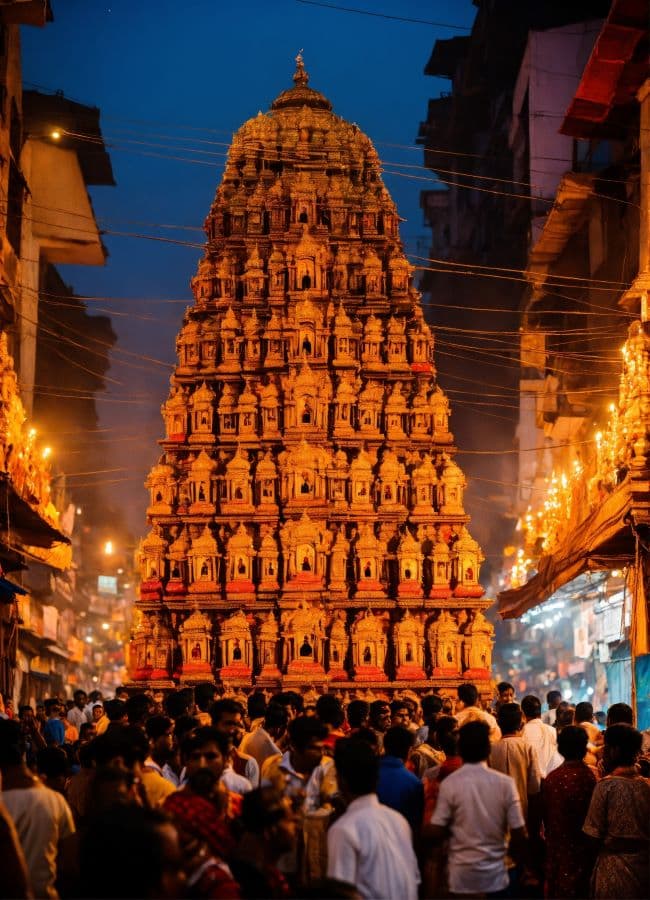
Temple Darshan
Families seeking blessings for the New Year
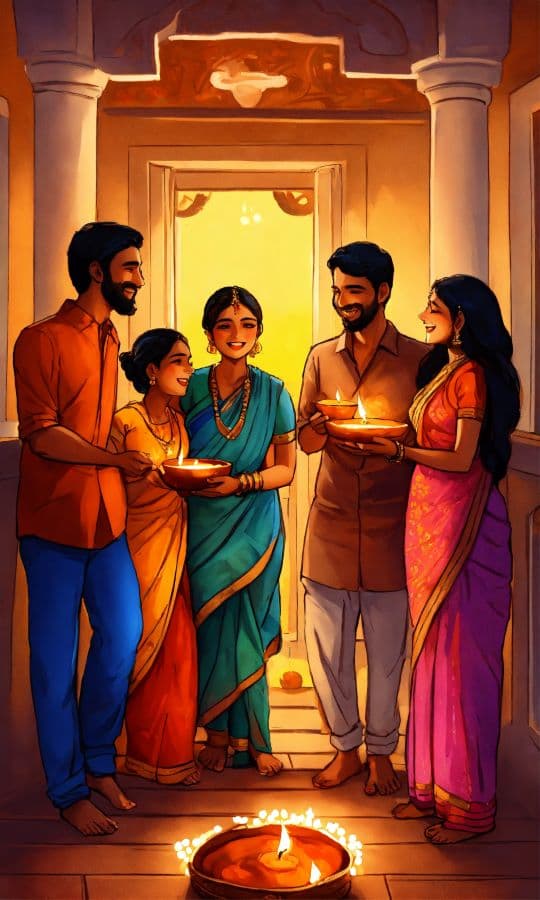
Family Celebrations
Joyful New Year moments with loved ones
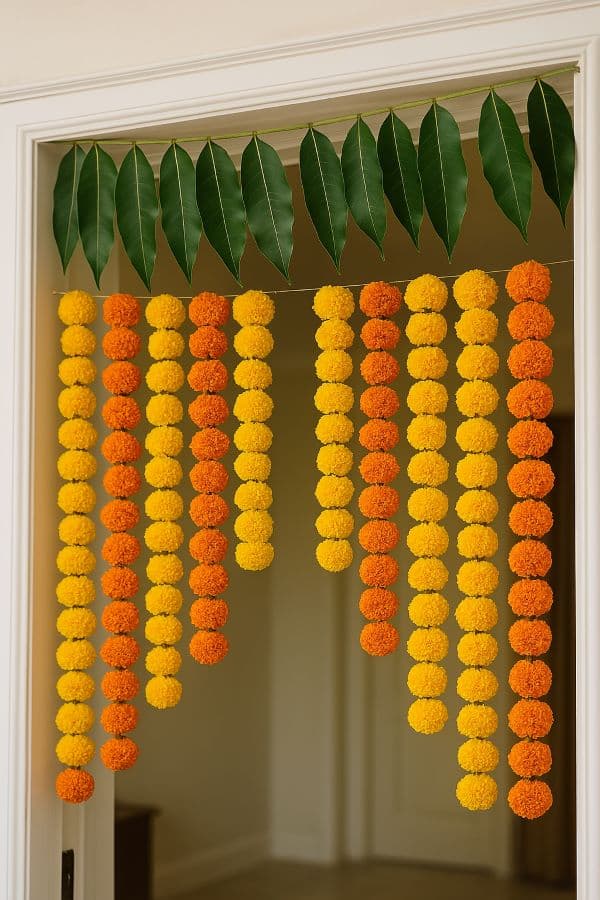
Festival Decorations
Mango leaf torans and colourful rangoli at the entrance
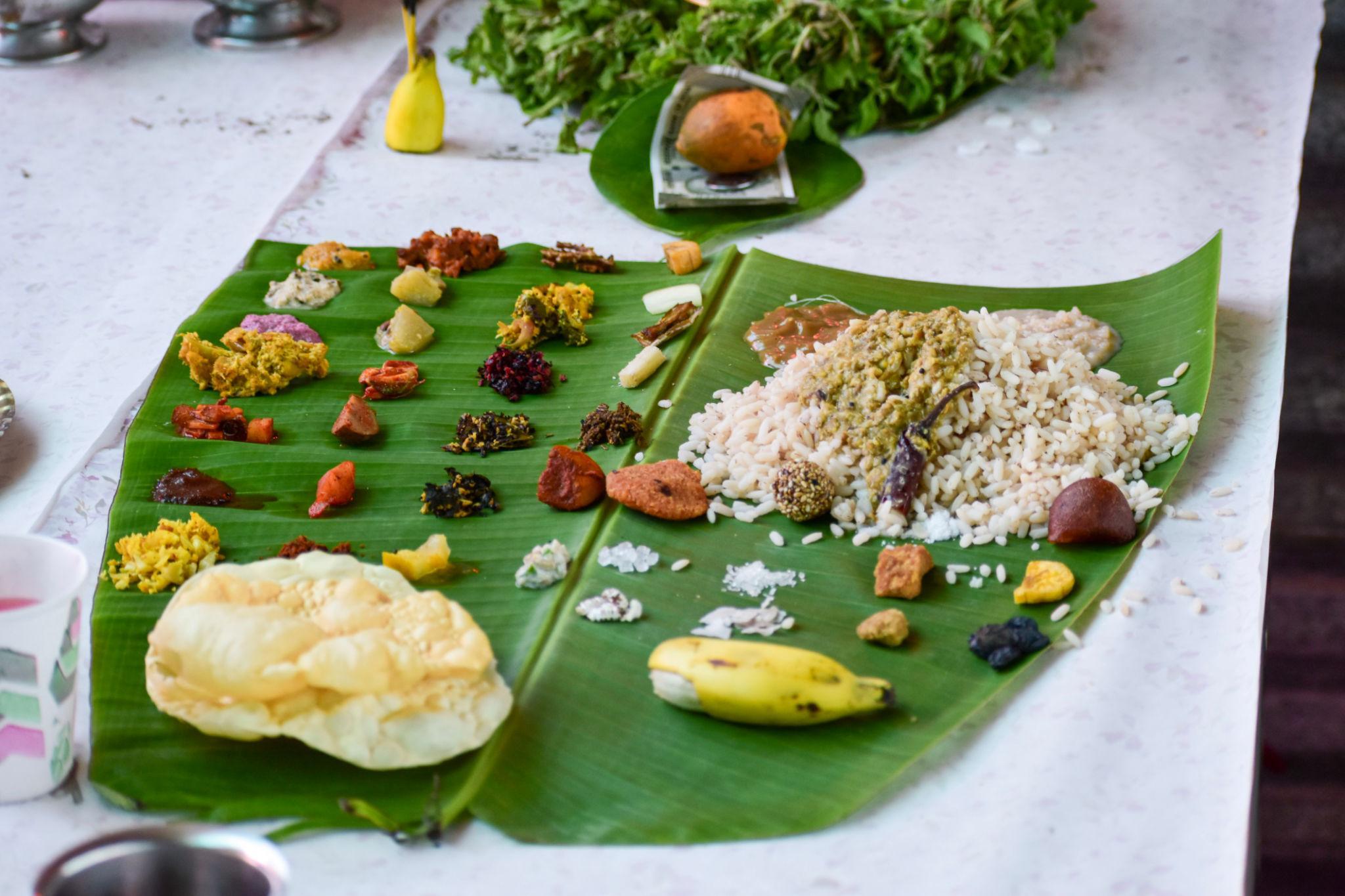
Festive Meal
Special Ugadi lunch with sweets and traditional dishes
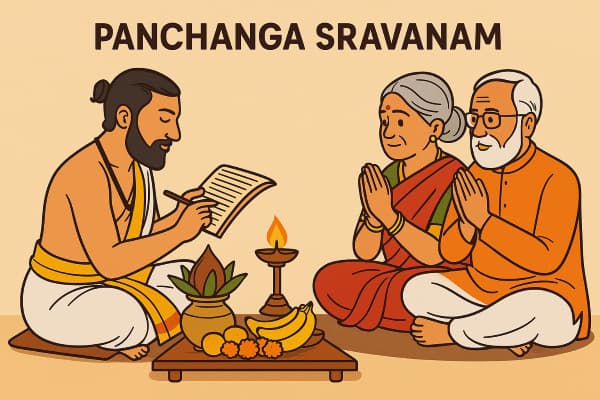
Panchanga Sravanam
Listening to the New Year almanac in the temple
Traditional Ugadi Delicacies
Bobbatlu / Holige
Sweet flatbreads stuffed with lentil and jaggery filling, symbolizing sweetness and prosperity in the new year. The golden color represents abundance and good fortune.
Pulihora
Tangy tamarind rice representing the sour experiences of life that add flavor to our journey. The vibrant yellow color symbolizes energy and vitality.
Semiya Payasam
Vermicelli pudding cooked in milk and sugar, served as a dessert to celebrate special occasions. Its creamy texture represents comfort and nourishment.
Vada
Crispy lentil doughnuts often prepared during festivals as a savory snack for guests. Their circular shape represents the cyclical nature of life and time.
Explore Other Festivals
Discover the rich cultural heritage of India through its diverse festivals
Spiritual Significance
Renewal and Rebirth
Ugadi symbolizes the cosmic cycle of creation and reminds us of the endless possibilities that each new beginning offers. It's a time to reflect on the past and plan for the future with renewed energy and optimism.
Acceptance of Life's Experiences
The six flavors of Ugadi Pachadi teach us to accept all aspects of life with equanimity and wisdom. This philosophical approach helps in developing resilience and emotional maturity.
Family and Community Bonds
The festival strengthens family ties and community relationships through shared celebrations and rituals. It promotes social harmony and cultural continuity across generations.
Regional Celebrations
Andhra Pradesh & Telangana
Celebrated as Ugadi with Panchanga Sravanam (reading of annual predictions) by temple priests, elaborate feast preparations, and special cultural programs featuring classical music and dance.
Karnataka
Known as Yugadi, celebrated with similar traditions but with local variations in food and rituals. Special emphasis on oil bath ritual and wearing new clothes after the bath.
Maharashtra
Celebrated as Gudi Padwa with the raising of Gudi (decorated pole) outside homes, special sweet preparations like Shrikhand and Puran Poli, and colorful processions.