Krishna Janmashtami
Celebrating the Divine Birth of Lord Krishna - The Supreme Personality of Godhead
Divine Birth
Celebrating Lord Krishna's birth at midnight in Mathura
Bhajans & Kirtans
Devotional songs and dances celebrating Krishna's life
Dahi Handi
Celebrating Krishna's love for butter and mischievous nature
About Krishna Janmashtami
Krishna Janmashtami, also known simply as Janmashtami, is an annual Hindu festival that celebrates the birth of Krishna, the eighth avatar of Vishnu. It is observed according to the Hindu luni-solar calendar, on the eighth day (Ashtami) of the Krishna Paksha (dark fortnight) in the month of Shraavana or Bhadrapad (which overlaps with August/September in the Gregorian calendar).
The festival is particularly celebrated in Mathura and Vrindavan, the birth and childhood places of Krishna. Devotees observe fasting and night vigil (Ratri Jagaran), organizing spiritual discussions about Krishna's life and teachings. At midnight, the time when Krishna is believed to have been born, special prayers and rituals are performed.
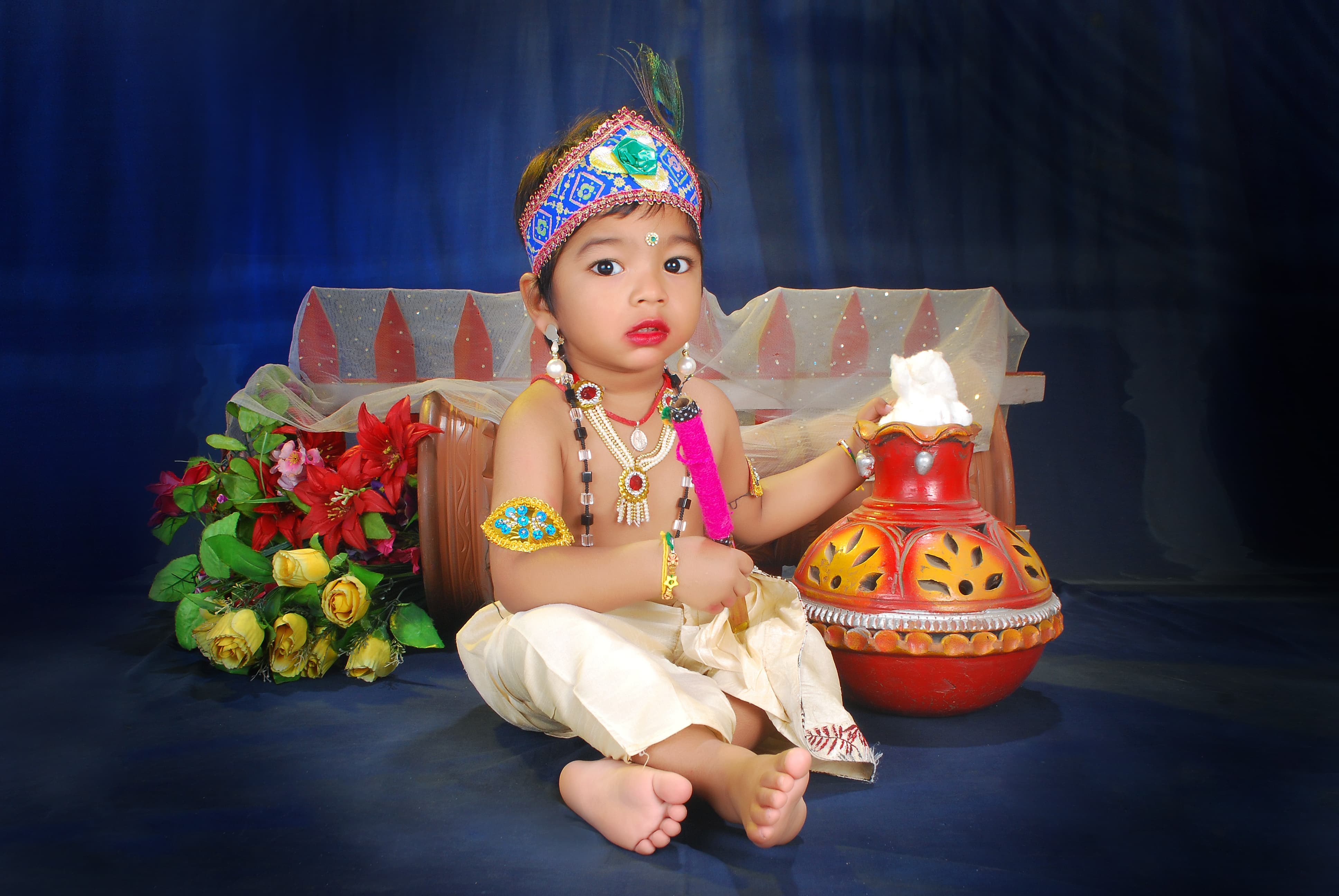
Celebration of Krishna's divine birth
Janmashtami Traditions
Fasting & Prayers
Devotees observe a day-long fast which is broken after midnight, the birth time of Krishna. Special prayers and bhajans are sung in temples and homes.
Midnight Celebration
At midnight, the statue of infant Krishna is bathed and placed in a cradle, symbolizing his birth. The ceremony is accompanied by chanting of mantras and blowing of conch shells.
Feasts & Prasad
After the midnight prayers, devotees break their fast with a feast that includes various sweets and dishes. Makhan Mishri (butter with rock sugar) is specially prepared as it was Krishna's favorite.
Dahi Handi Festival
In Maharashtra and other regions, the next day is celebrated as Dahi Handi, where teams of young men form human pyramids to break a pot filled with curd, butter, and milk suspended high above the ground.
Symbolic Decorations
Homes and temples are decorated with flowers, leaves, and colorful rangolis. Small footprints are drawn from the entrance to the prayer room, symbolizing Krishna's entry into the home.
Teachings of Lord Krishna
Dharma & Righteousness
Krishna emphasizes the importance of performing one's duty without attachment to results, as explained in the Bhagavad Gita.
Detached Action
One of Krishna's core teachings is to perform actions with dedication but remain detached from the fruits of those actions.
Eternal Soul
Krishna teaches that the soul is eternal and indestructible, while the body is temporary and perishable.
Devotion & Surrender
Complete surrender to the divine with unwavering devotion is the path to spiritual liberation according to Krishna.
Janmashtami Gallery
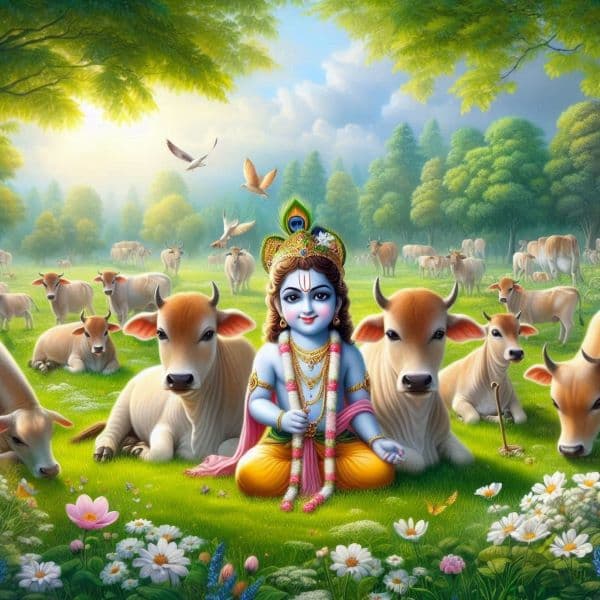
Bal Krishna
Bal Krishna
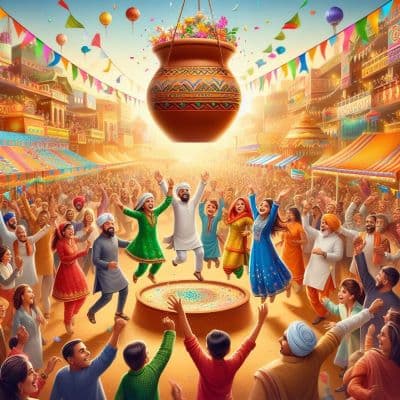
Bhajan & Kirtan
Devotional singing and dancing
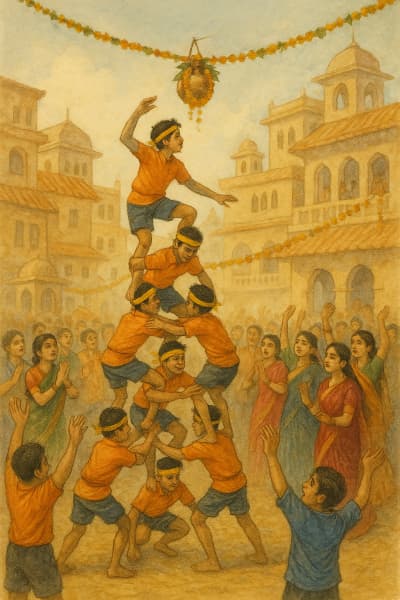
Dahi Handi
Human pyramid to break the curd pot
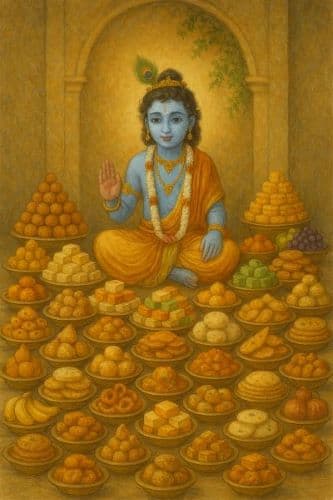
Festive Prasad
Special food offerings to Lord Krishna
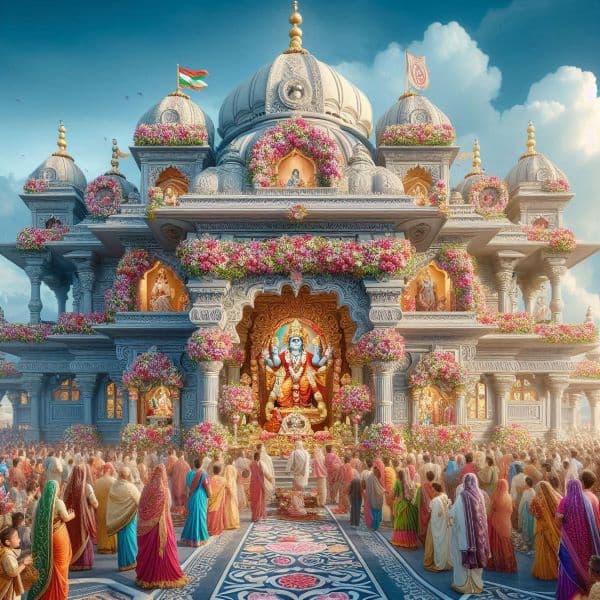
Temple Celebrations
Special prayers and rituals in temples
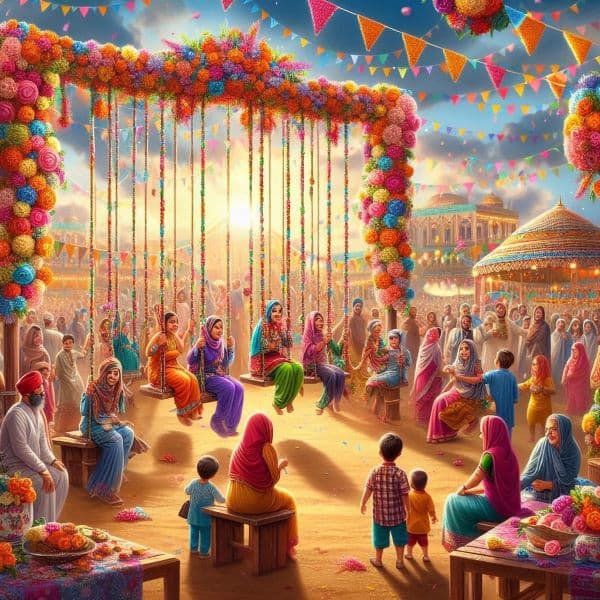
Jhulan Utsav
Swing decoration for baby Krishna
Explore Other Festivals
Discover the rich cultural heritage of India through its diverse festivals
Meaningful Janmashtami Celebration
Read Bhagavad Gita
Dedicate time to read and understand the teachings of Krishna from the Bhagavad Gita.
Practice Seva
Engage in selfless service to others as a way to honor Krishna's teachings on karma yoga.
Develop Bhakti
Cultivate genuine devotion through prayer, meditation, and singing bhajans.