Diwali - Festival of Lights
Celebrating the victory of light over darkness, knowledge over ignorance
Victory of Light
Celebrating the triumph of good over evil and light over darkness
Spiritual Significance
Commemorating Lord Rama's return to Ayodhya after 14 years
Family & Togetherness
Strengthening family bonds through celebrations and rituals
About Diwali
Diwali, also known as Deepavali, is one of the most significant festivals in Hinduism, celebrated every year in the autumn. The festival spiritually signifies the victory of light over darkness, knowledge over ignorance, good over evil, and hope over despair.
The five-day festival originated in the Indian subcontinent and is mentioned in early Sanskrit texts. Diwali is usually celebrated twenty days after the Vijayadashami festival, with Dhanteras, marking the first day of the festival, followed by Naraka Chaturdasi on the second day, Diwali on the third day, Diwali Padva dedicated to wife-husband relationship on the fourth day, and Bhai Dooj dedicated to sister-brother bond on the fifth day.
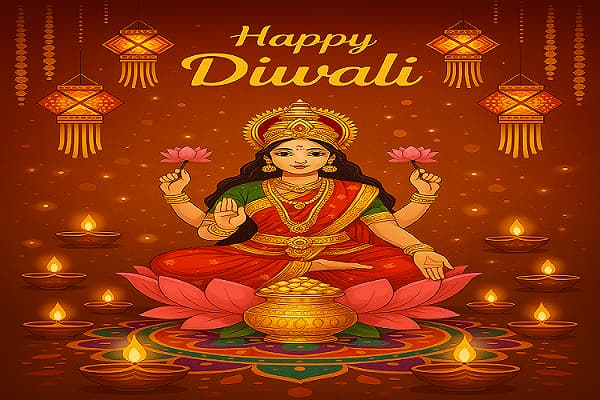
Happy Diwali
Diyas & Lights
Diwali Traditions
Home Decorations
Cleaning, renovating, and decorating homes with diyas (oil lamps), rangoli (colorful patterns), and decorative lights to welcome Goddess Lakshmi.
Lakshmi Puja
Worshipping Goddess Lakshmi for prosperity and wealth. Families gather for puja in the evening, offering flowers, sweets, and lighting lamps.
Feasts & Sweets
Preparing and sharing special Diwali foods including sweets like laddoo, barfi, jalebi, and savory snacks like chivda, mathri, and samosas.
Gift Exchange
Exchanging gifts with family, friends, and neighbors. New clothes are worn, and businesses start new accounting books on this auspicious day.
Mythological Significance
Return of Lord Rama
The most popular legend associates Diwali with Lord Rama's return to Ayodhya after 14 years of exile and his victory over Ravana. The people of Ayodhya lit oil lamps to welcome him home.
Krishna & Narakasura
In some regions, Diwali celebrates Lord Krishna's victory over the demon Narakasura. The day before Diwali is celebrated as Naraka Chaturdasi.
Lakshmi's Birth
According to another legend, Diwali marks the birthday of Goddess Lakshmi, born from the churning of the cosmic ocean (Samudra Manthan).
Frequently Asked Questions
What is the spiritual significance of Diwali?
Diwali symbolizes the victory of light over darkness, knowledge over ignorance, and good over evil. It commemorates Lord Rama's return to Ayodhya after defeating Ravana and completing 14 years of exile.
How many days is Diwali celebrated?
Diwali is typically celebrated over five days: Dhanteras (day 1), Naraka Chaturdasi (day 2), Diwali (day 3), Govardhan Puja (day 4), and Bhai Dooj (day 5).
What are the traditional foods eaten during Diwali?
Popular Diwali sweets include laddoo, barfi, jalebi, and gulab jamun. Savory snacks like chivda, mathri, and samosas are also commonly prepared and shared with family and friends.
Why do people light diyas during Diwali?
Diyas (oil lamps) are lit to symbolize the inner light that protects from spiritual darkness. They welcome prosperity and the blessings of Goddess Lakshmi, and guide Lord Rama and Sita back home according to mythology.
What is the significance of rangoli during Diwali?
Rangoli is a colorful art form created at the entrance of homes to welcome guests and Goddess Lakshmi. It symbolizes happiness, positivity, and the liveliness of a household, while also representing the impermanence of life.
How can I celebrate an eco-friendly Diwali?
You can celebrate an eco-friendly Diwali by using clay diyas instead of plastic lights, limiting fireworks or using green crackers, creating rangoli with natural materials like flowers and rice flour, and avoiding plastic packaging for gifts and sweets.
Diwali Gallery
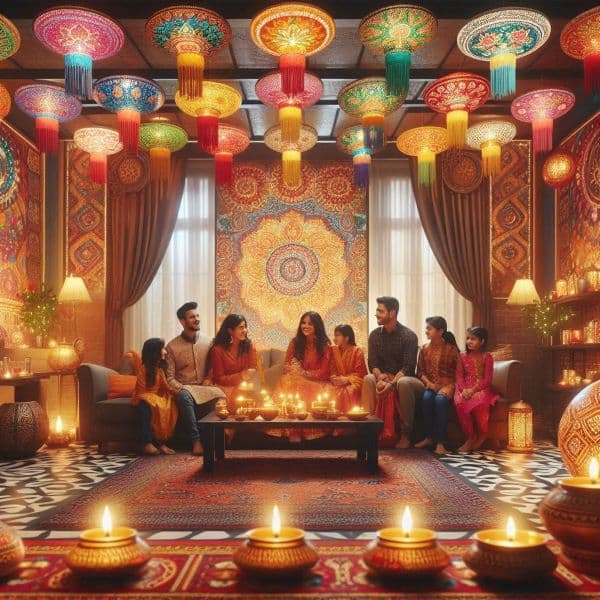
Decorated Homes
Homes illuminated with diyas and lights
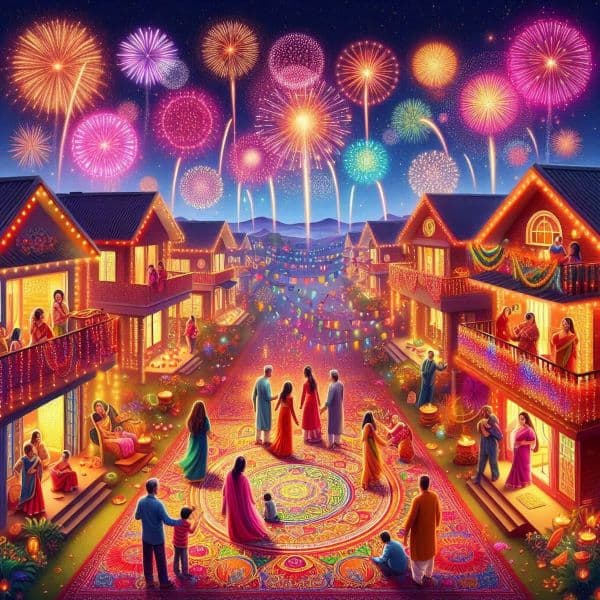
Fireworks Display
Colorful fireworks lighting up the night sky
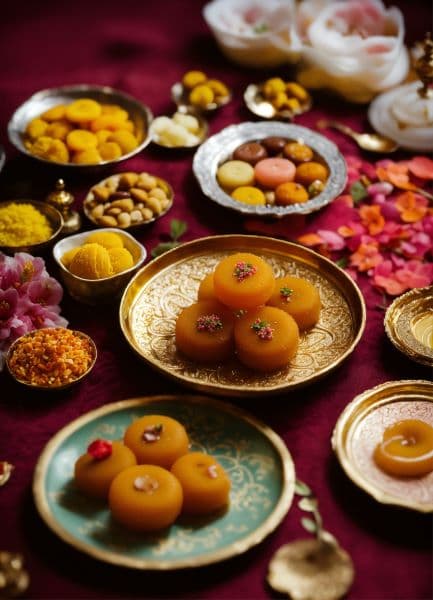
Festive Sweets
Traditional Diwali sweets and snacks
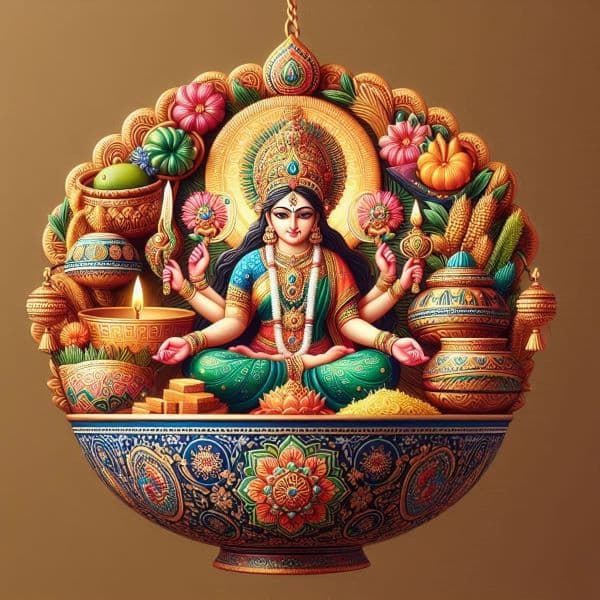
Lakshmi Puja
Prayers to Goddess Lakshmi for prosperity
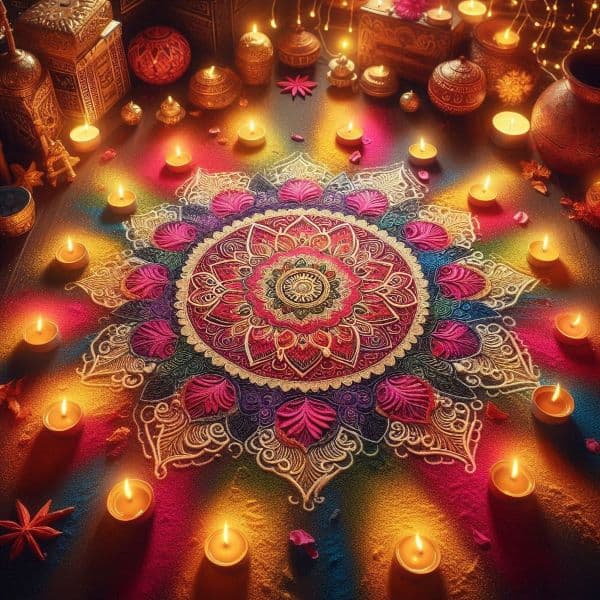
Rangoli Art
Colorful rangoli patterns at doorsteps
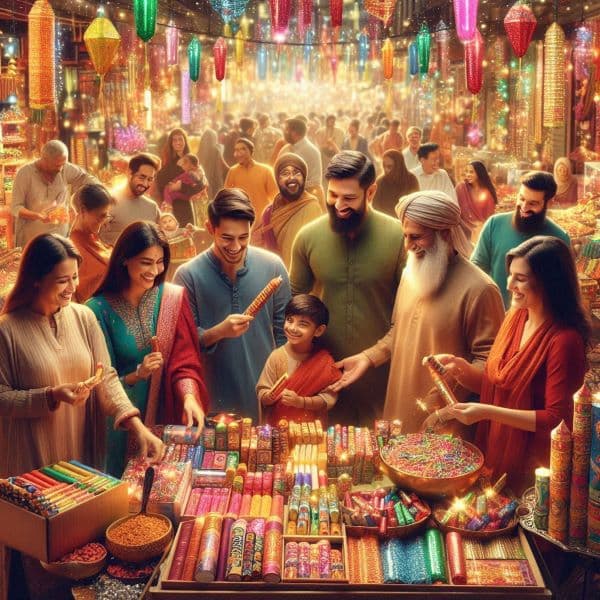
Gift Exchange
Exchanging gifts with family and friends
Explore Other Festivals
Discover the rich cultural heritage through diverse festivals
Eco-Friendly Diwali Celebration
Use Eco-Friendly Diyas
Choose clay diyas instead of plastic ones. They are biodegradable and support local artisans.
Limit Fireworks
Reduce air and noise pollution by limiting fireworks or choosing green crackers.
Natural Rangoli
Use flowers, rice flour, or natural colors for rangoli instead of chemical-based colors.