Holi - Festival of Colors
Celebrating the victory of good over evil and the arrival of spring
Festival of Colors
People play with colored powders and water, celebrating with joy and enthusiasm
Special Foods
Enjoy traditional sweets like gujiya, thandai, and other festive delicacies
Unity & Togetherness
Breaking social barriers and strengthening relationships
About Holi
Holi, also known as the Festival of Colors, is a popular ancient Hindu festival that marks the arrival of spring and the victory of good over evil. It is celebrated with immense joy and enthusiasm across India and in many parts of the world.
The festival typically lasts for two days. The first evening is known as Holika Dahan or Chhoti Holi, when people gather around bonfires to celebrate the burning of the demoness Holika. The following day is called Rangwali Holi, when people play with colors, drench each other with water, and celebrate with music and dance.
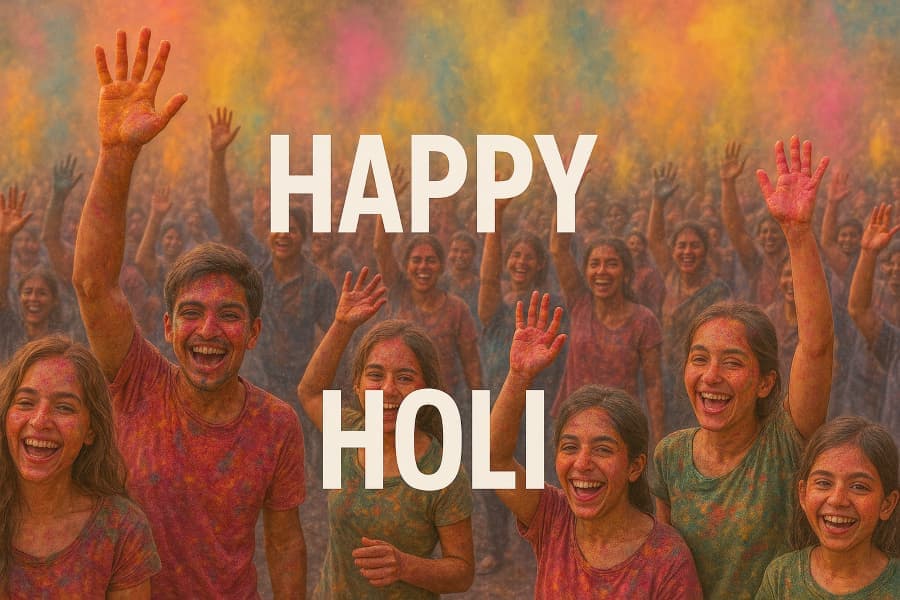
Traditional Holi celebrations
Holi Traditions
Holika Dahan
On the eve of Holi, people light bonfires to symbolize the burning of the demoness Holika and the victory of good over evil. They perform rituals and pray for the destruction of their internal evils.
Music & Dance
Holi celebrations are incomplete without traditional folk songs, dances, and the rhythmic beats of dholak. People sing Holi songs and dance with joy and enthusiasm.
Exchanging Sweets
People visit friends and relatives, exchange sweets, and apply colors on each other's faces. Traditional Holi sweets like gujiya, malpua, and puran poli are prepared and shared.
Playing with Colors
The main day of Holi is celebrated with colored powders (gulal) and water. People chase each other with colors, water balloons, and water guns, forgetting all differences and animosities.
Holi Gallery
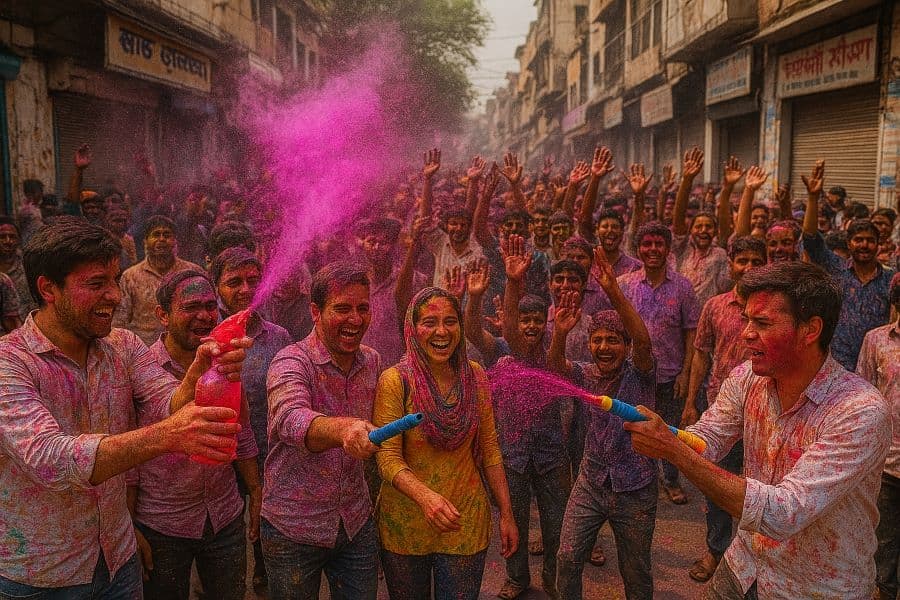
Color Play
People celebrating with colored powders
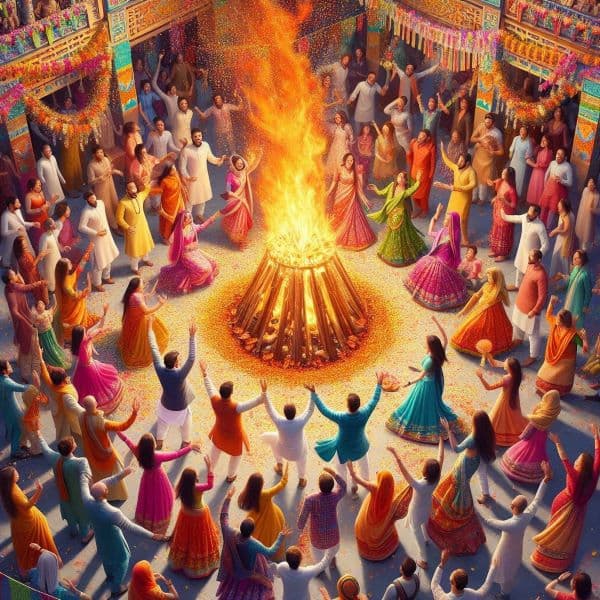
Holika Dahan
Bonfire on the eve of Holi
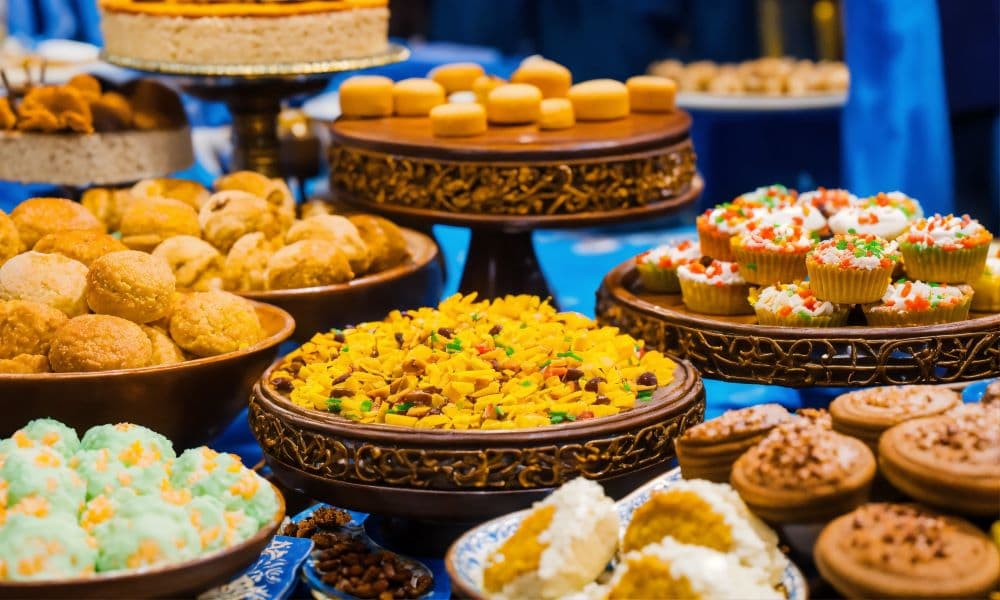
Festive Sweets
Traditional Holi delicacies
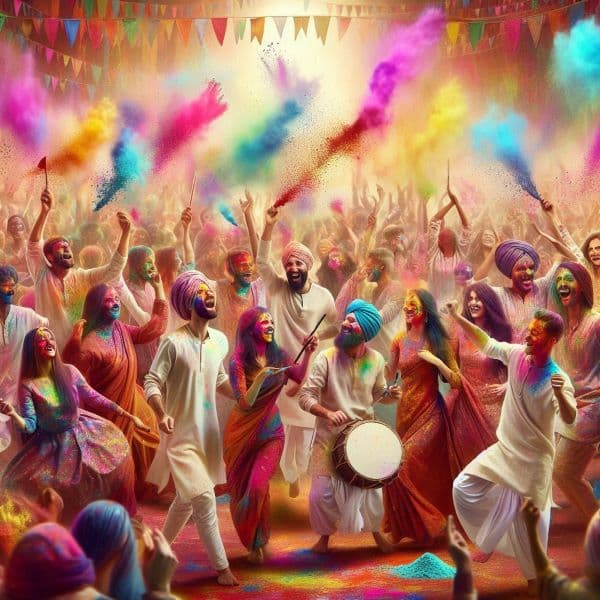
Music & Dance
Traditional Holi songs and dances
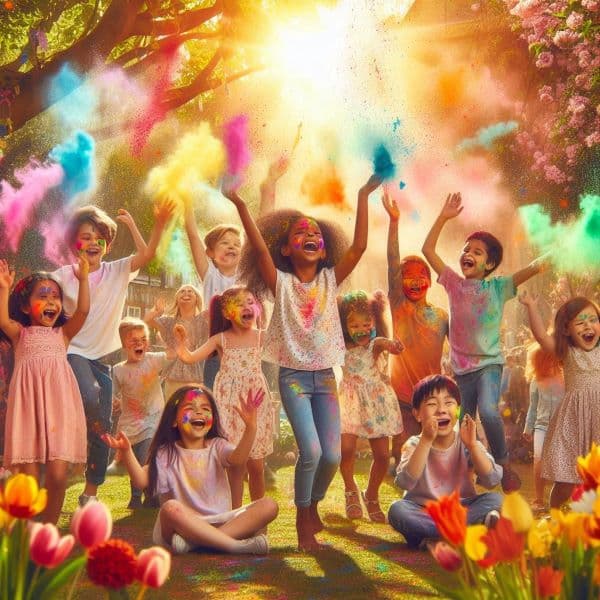
Children Holi Play
Playing children with water guns and balloons
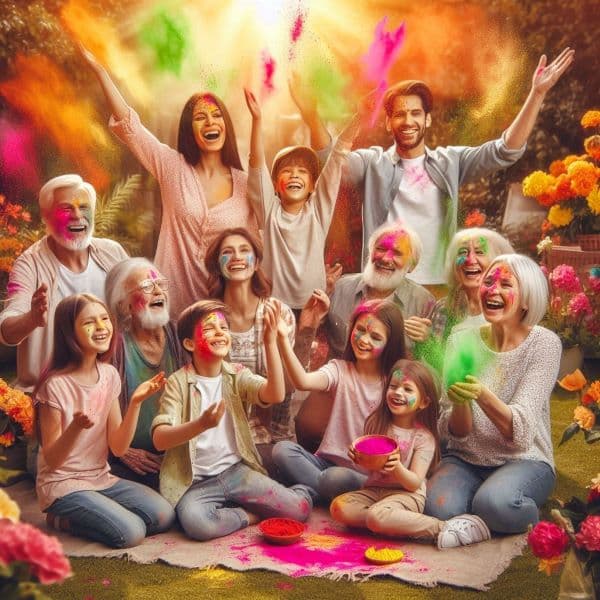
Unity
Strengthening relationships and bonds
Explore Other Festivals
Discover the rich cultural heritage of India through its diverse festivals
Eco-Friendly Holi Celebration
Use Natural Colors
Choose organic, plant-based colors instead of synthetic ones that harm skin and environment.
Conserve Water
Play a dry Holi or use limited water to avoid wastage of this precious resource.
Respect Consent
Always ask before applying colors to others and be mindful of people's preferences.