Makara Sankranti
Celebrating the Sun's Journey and Harvest Blessings
Solar Transition
Celebrating the Sun's movement into Capricorn (Makara)
Harvest Festival
Marking the beginning of harvest season across India
Kite Flying
Colorful kites filling the sky in celebration
About Makara Sankranti
Makara Sankranti is one of the most auspicious festivals in Hindu culture, dedicated to the Sun God Surya. It marks the transition of the Sun into the zodiac sign of Capricorn (Makara) and the beginning of the sun's northward journey (Uttarayana).
This harvest festival is celebrated across India with different names and traditions - Pongal in Tamil Nadu, Lohri in Punjab, Magh Bihu in Assam, and Uttarayan in Gujarat. The festival signifies the end of winter and the beginning of longer, warmer days.
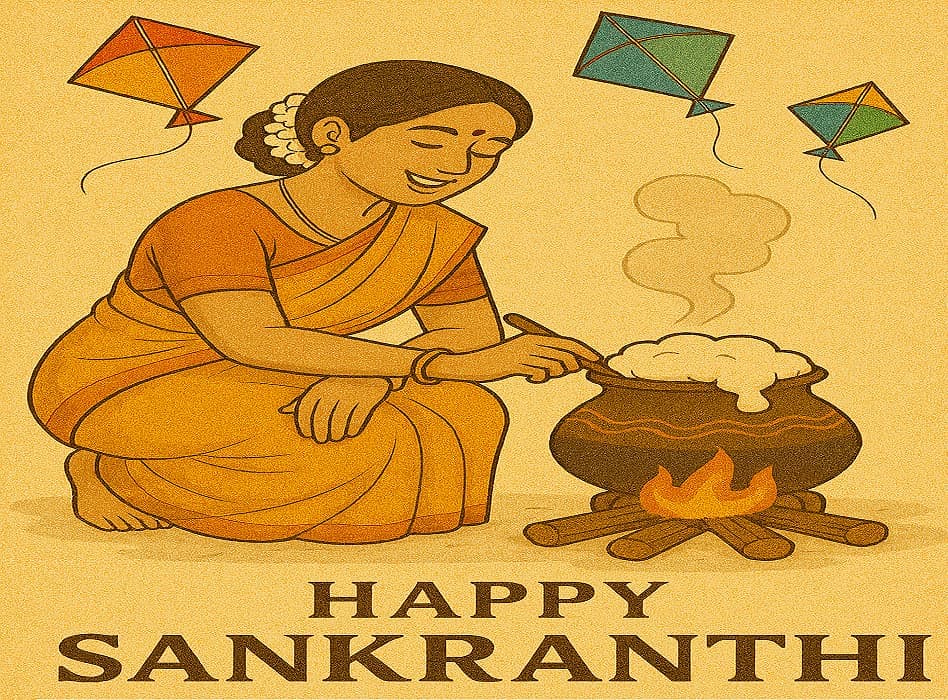
Happy Sankranti
Significance of Sankranti
Astronomical Importance
Makara Sankranti is one of the few Hindu festivals based on the solar calendar rather than the lunar calendar. It marks the exact moment when the Sun enters the Capricorn zodiac sign.
Spiritual Meaning
The festival symbolizes the movement from darkness to light, ignorance to knowledge, and the victory of positive forces. It's considered an extremely auspicious time for new beginnings.
Agricultural Significance
As a harvest festival, Sankranti expresses gratitude to nature and the Sun God for a bountiful harvest. Farmers celebrate the fruits of their hard work and pray for continued prosperity.
Cultural Unity
Despite regional variations, the core theme of thanking nature and celebrating life's abundance remains constant across India, showcasing the country's cultural diversity and unity.
Sankranti Traditions & Celebrations
Kite Flying
The sky becomes a canvas of colorful kites, especially in Gujarat and Rajasthan. Kite flying symbolizes reaching out to the gods and celebrating the sunny weather.
Charity and Donations
It's considered auspicious to donate food, clothes, and essentials to the needy on this day, promoting the spirit of sharing and community welfare.
Special Foods
Traditional sweets made with jaggery and sesame seeds like tilgul, chikki, and pongal are prepared and shared, symbolizing sweetness in relationships.
Bonfires and Festivities
In northern states, bonfires are lit the night before, and people gather around singing folk songs and dancing to celebrate the end of winter.
Bhogi Festival
The First Day Celebration
Bhogi is celebrated on the day preceding Makara Sankranti and marks the beginning of the four-day festival in Andhra Pradesh and Telangana. The festival is dedicated to Lord Indra, the god of rain and clouds.
Ritual of Discarding the Old
The primary tradition involves discarding old and unused items by burning them in a bonfire, symbolizing the removal of negativity and making way for new beginnings. This ritual is called "Bhogi Mantalu."
Home Decoration
Homes are thoroughly cleaned and decorated with colorful rangoli (muggulu) made from rice flour, chalk, or flower petals. Fresh mango leaves are hung at the entrance for prosperity.
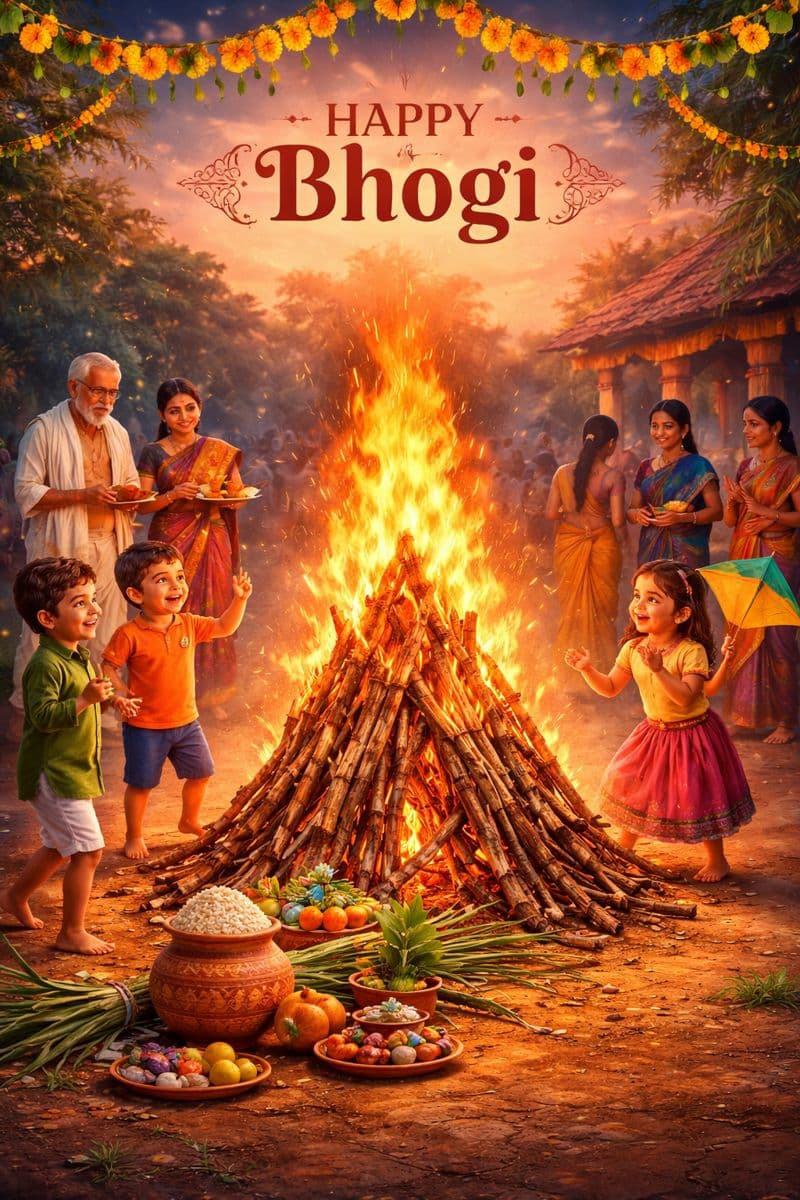
Bhogi Bonfire Tradition
Bonfire Ritual
Burning old items to symbolize new beginnings
Cattle Worship
Honoring cattle for their agricultural contribution
New Possessions
Purchasing new items for the household
Kanuma Festival
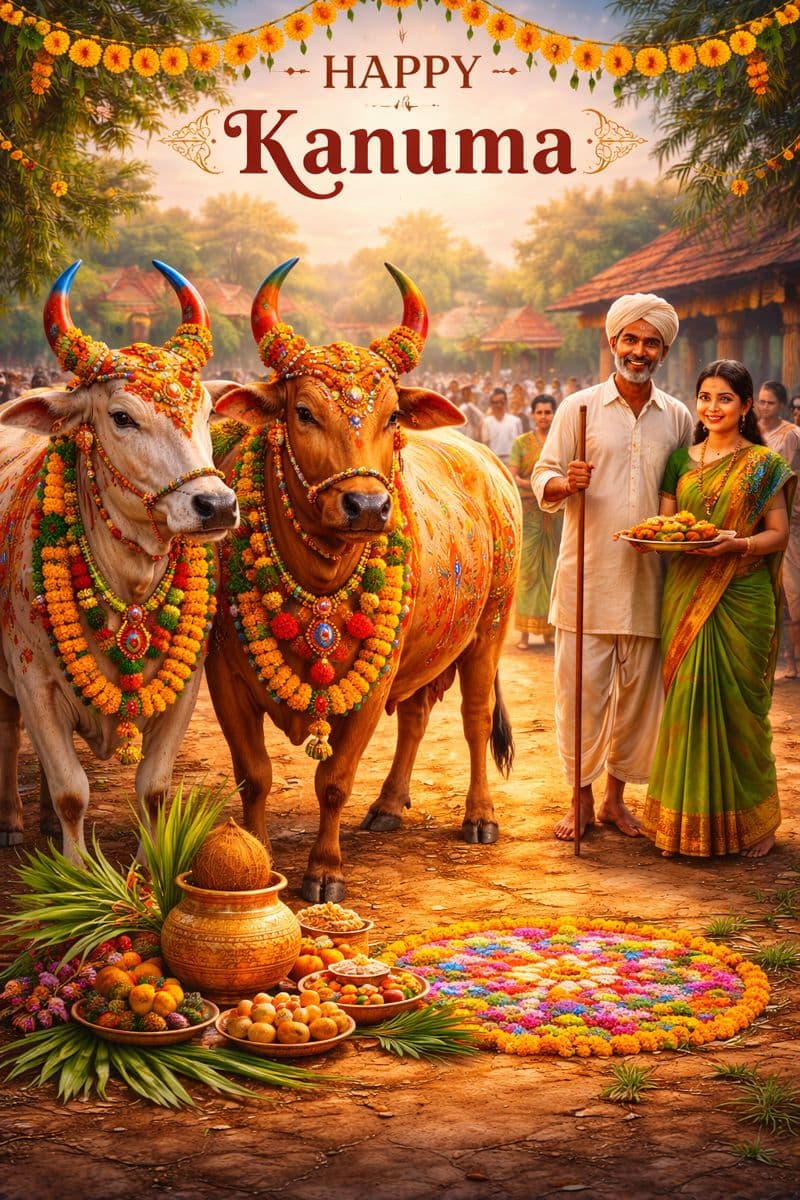
Cattle Decoration on Kanuma
The Third Day Celebration
Kanuma is celebrated on the third day of Sankranti festivities, dedicated to the worship of cattle, especially cows and bulls, which are considered sacred and essential for agriculture.
Agricultural Significance
This day honors the contribution of animals to farming and agriculture. Farmers decorate their cattle with paint, flowers, and bells, and perform rituals to show gratitude.
Traditional Games
Kanuma is famous for traditional sports and games, particularly bull races and cockfights in rural areas, though many of these practices are now discouraged or banned in some regions.
Cattle Worship
Bathing and decorating cattle with ornaments
Special Feeding
Feeding cattle with special foods and sweets
Rural Sports
Traditional games and community competitions
Rituals
Performing puja for cattle health and prosperity
The Four Days of Sankranti Celebration
Day 1
Bhogi
Discarding old, welcoming new
Bonfire celebrations
Day 2
Makara Sankranti
Main festival day
Sun worship & kite flying
Day 3
Kanuma
Cattle worship
Traditional games
Day 4
Mukkanuma
Community feasts
Outdoor celebrations
Note: The fourth day is called Mukkanuma, which involves community feasting and outdoor celebrations, often featuring meat-based dishes (in non-vegetarian communities) as a conclusion to the festival period.
Regional Celebrations
Pongal (Tamil Nadu)
Four-day festival featuring boiling milk rice in new pots, decorating cattle, and traditional kolam designs.
Uttarayan (Gujarat)
International Kite Festival with spectacular kite flying competitions and traditional delicacies.
Lohri (Punjab)
Bonfire celebrations with dancing, singing, and offerings of popcorn, peanuts, and rewri to the fire.
Magh Bihu (Assam)
Community feasts with traditional games, bonfires (Meji), and special rice cakes called pitha.
Traditional Sankranti Delicacies
Tilgul (Sesame-Jaggery Sweets)
Symbolizing sweet communication: "Tilgul ghya, god god bola" (Take sweet, speak sweet)
Chikki and Rewri
Crunchy peanut and sesame snacks that provide energy during the winter season
Pongal (Sweet Rice)
Traditional South Indian dish made with newly harvested rice, jaggery, and milk
Khichdi
In some regions, a special khichdi made with newly harvested grains is prepared
Sankranti Gallery
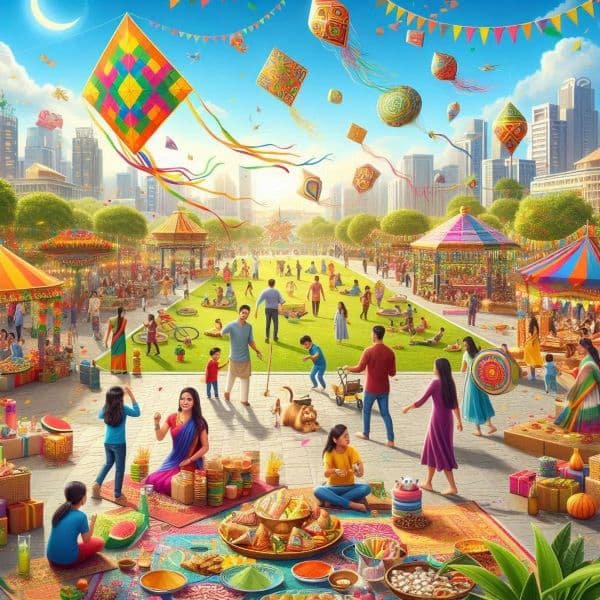
Kite Flying
Colorful kites filling the sky during Uttarayan
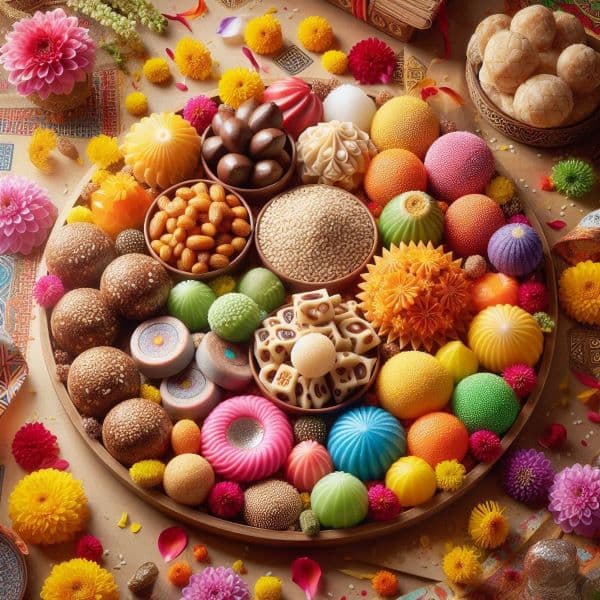
Traditional Foods
Special Sankranti delicacies and sweets
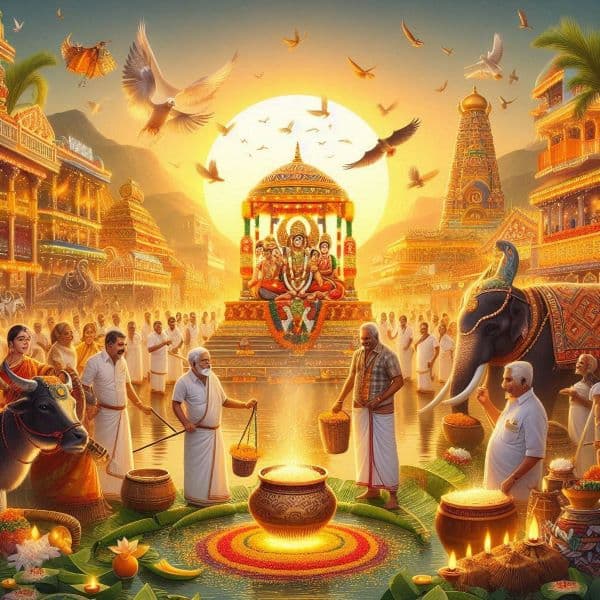
Sun Worship
Prayers to Sun God Surya on Sankranti
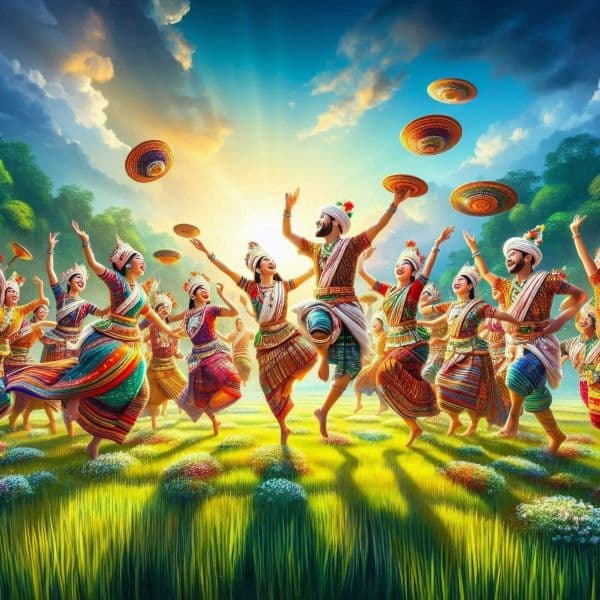
Harvest Celebrations
Farmers celebrating agricultural bounty
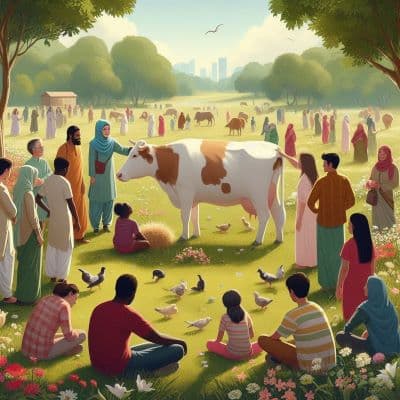
Family Gatherings
Family feasts and celebrations
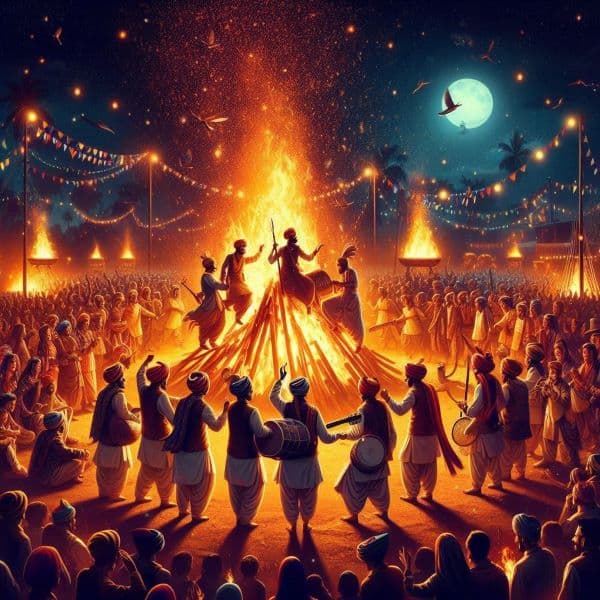
Bonfire Nights
Community bonfire celebrations
Explore Other Festivals
Discover the rich cultural heritage of India through its diverse festivals
Safe Sankranti Celebration
Safe Kite Flying
Fly kites in open areas away from power lines and roads. Use cotton strings instead of harmful manja.
Eco-Friendly Celebrations
Use natural colors for rangoli and avoid plastic decorations. Celebrate with minimal environmental impact.
Community Spirit
Share sweets with neighbors and include everyone in celebrations. Remember the less fortunate.
Frequently Asked Questions
Tamil Nadu: Pongal with rice boiling ceremony
Punjab: Lohri with bonfires and dancing
Assam: Magh Bihu with community feasts
Maharashtra: Exchange of tilgul and greetings