Maha Shivaratri - The Great Night of Shiva
Celebrating the cosmic dance of Lord Shiva, spiritual awakening, and divine grace
Divine Night
The most auspicious night dedicated to Lord Shiva's cosmic dance
All-Night Vigil
Devotees observe Jagaran - staying awake all night in prayer and meditation
Bilva Offering
Sacred Bilva leaves offered to Shiva Lingam with devotion
About Maha Shivaratri
Maha Shivaratri, meaning "The Great Night of Shiva", is one of the most significant Hindu festivals celebrated annually in honor of Lord Shiva. It marks the night when Lord Shiva performed the Tandava, the cosmic dance of creation, preservation, and destruction.
This sacred festival falls on the 14th day of the dark fortnight in the Hindu month of Phalguna (February-March). Devotees observe fasting, perform special pujas, and stay awake all night chanting "Om Namah Shivaya" to seek Lord Shiva's blessings.
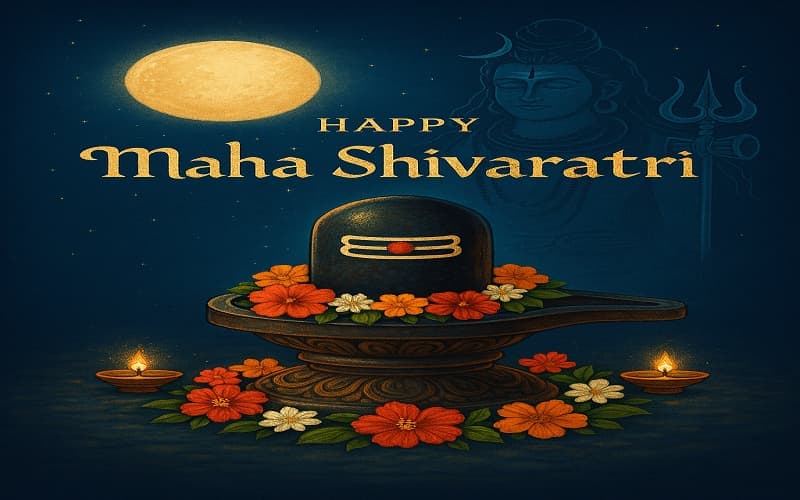
The Sacred Shiva Lingam
Maha Shivaratri Traditions
Night-long Vigil
Devotees stay awake throughout the night, engaging in prayers, chanting, and meditation. This practice symbolizes overcoming darkness and ignorance.
Bilva Patra Puja
The sacred Bilva (Bael) leaves are offered to Shiva Lingam throughout the night. Each leaf represents purification of the soul.
Abhishekam
Ritual bathing of Shiva Lingam with milk, honey, yogurt, ghee, sugar, and water while chanting sacred mantras.
Sacred Fires
Homas (sacred fire rituals) are performed to invoke divine energies and purify the environment.
Jagaran
Night-long vigil and prayers
Bilva Archana
Offering Bilva leaves
Panchamrit Abhishek
Sacred bath with five nectars
Dakshina
Charity and donations
Maha Shivaratri Gallery
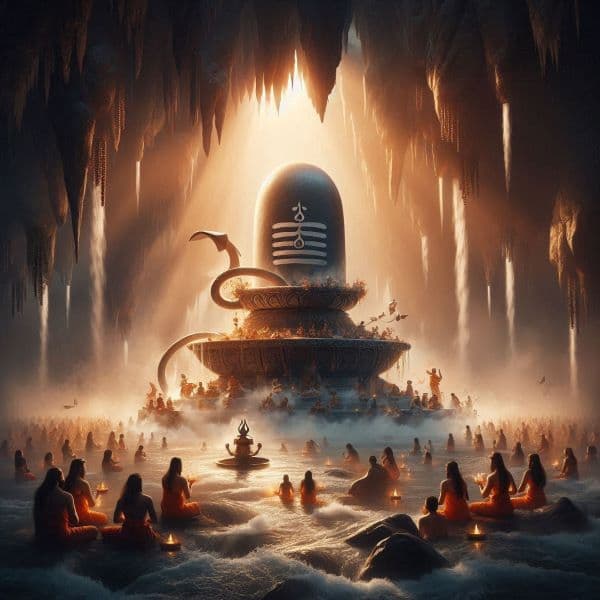
Abhishekam Ceremony
Ritual bathing of Shiva Lingam
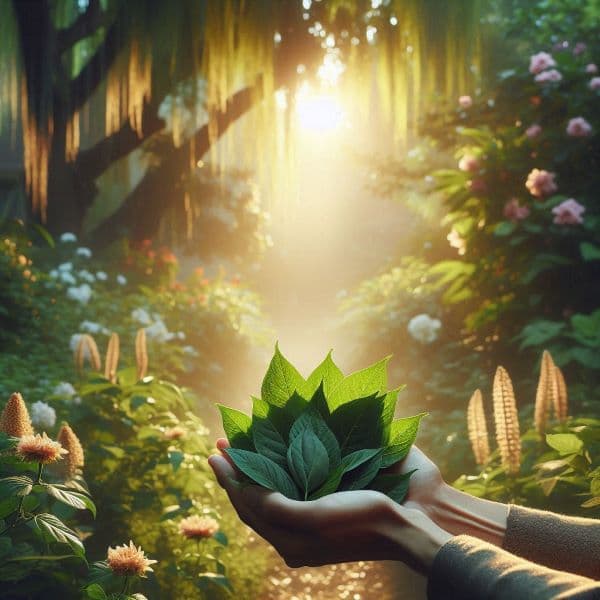
Bilva Offering
Sacred leaves for Shiva worship
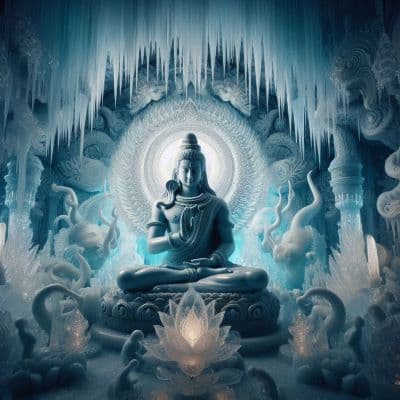
Temple Decorations
Beautifully adorned Shiva temples
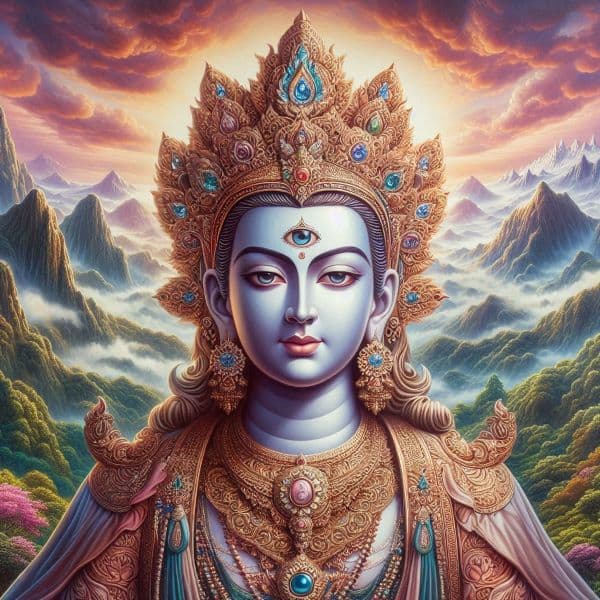
Trinetra
Shiva's third eye of wisdom
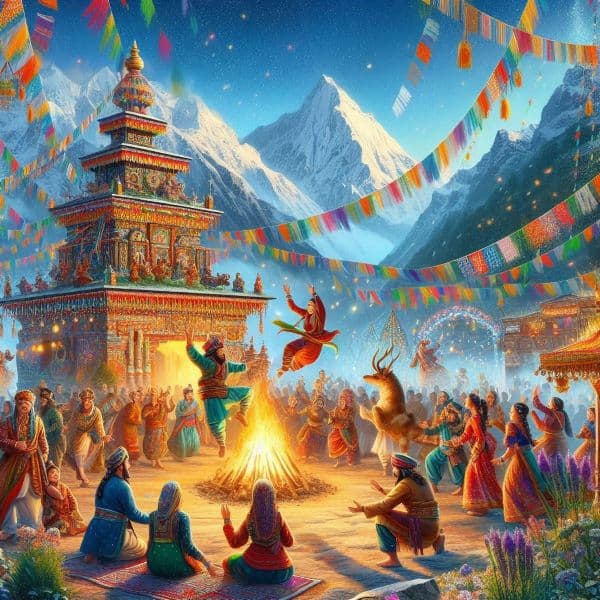
Chanting and Bhajans
Devotional prayers throughout the night
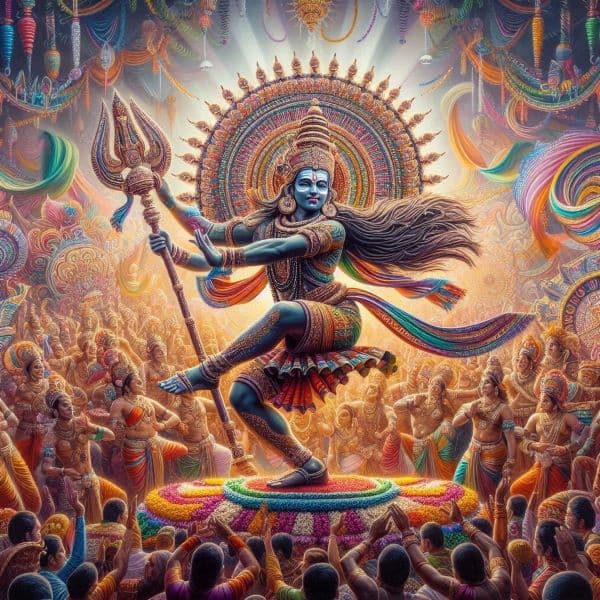
Tandava Dance
Cosmic dance of creation and destruction
Explore Other Festivals
Discover the rich cultural heritage of India through its diverse festivals
Spiritual Significance
Cosmic Balance
Maha Shivaratri represents the balance between creation and destruction in the cosmic cycle.
Spiritual Awakening
The night symbolizes awakening from the darkness of ignorance to the light of consciousness.
Divine Marriage
Celebrates the sacred union of Shiva and Parvati, representing the merging of individual and universal consciousness.