Good Friday - Day of Reflection
Commemorating the crucifixion of Jesus Christ and his sacrifice for humanity
Sacrificial Love
Remembering Jesus' ultimate sacrifice on the cross for humanity's salvation
Solemn Observance
Attending church services focused on Christ's passion and crucifixion
Prayer and Fasting
Observing a day of prayer, reflection, and abstinence
About Good Friday
Good Friday is a Christian holiday commemorating the crucifixion of Jesus Christ and his death at Calvary. It is observed during Holy Week as part of the Paschal Triduum on the Friday preceding Easter Sunday. It is a day of mourning, reflection, and penance.
The name "Good Friday" may seem paradoxical for a day marking such a sorrowful event. The term "good" may have originally meant "holy" in Old English, or it may reflect the Christian belief that Jesus' death was a necessary sacrifice that ultimately brought about the salvation of humanity.
Symbol of sacrifice and redemption
Good Friday Traditions
Church Services
Many churches hold special services that focus on the Passion narrative, often including the reading of the Gospel accounts of Jesus' trial, crucifixion, and death. Some traditions include the Veneration of the Cross.
Fasting and Abstinence
Many Christians observe fasting or abstain from meat on Good Friday as a form of penance. Some traditions include eating simple meals or specific foods like hot cross buns.
Prayer and Meditation
Good Friday is a day for solemn prayer and meditation on the suffering of Christ. Many Christians pray the Stations of the Cross, reflecting on Jesus' journey to Calvary.
Solemn Music
Churches often use somber music or observe silence during services. Traditional hymns like "O Sacred Head, Now Wounded" and "Were You There" are commonly sung.
Prayers for Good Friday
Prayer of Reflection
Lord Jesus, on this day you willingly suffered and died for our salvation. Help us to understand the depth of your love and sacrifice. May we carry our own crosses with faith and hope in your resurrection.
Prayer for the World
Merciful God, as we remember the suffering of your Son, we pray for all who suffer in our world today. Bring comfort to the afflicted, hope to the despairing, and peace to nations in conflict.
Prayer of Gratitude
Heavenly Father, we thank you for the incredible gift of your Son, who gave his life that we might have eternal life. Help us to live in gratitude for this sacrifice every day of our lives.
Good Friday Observances
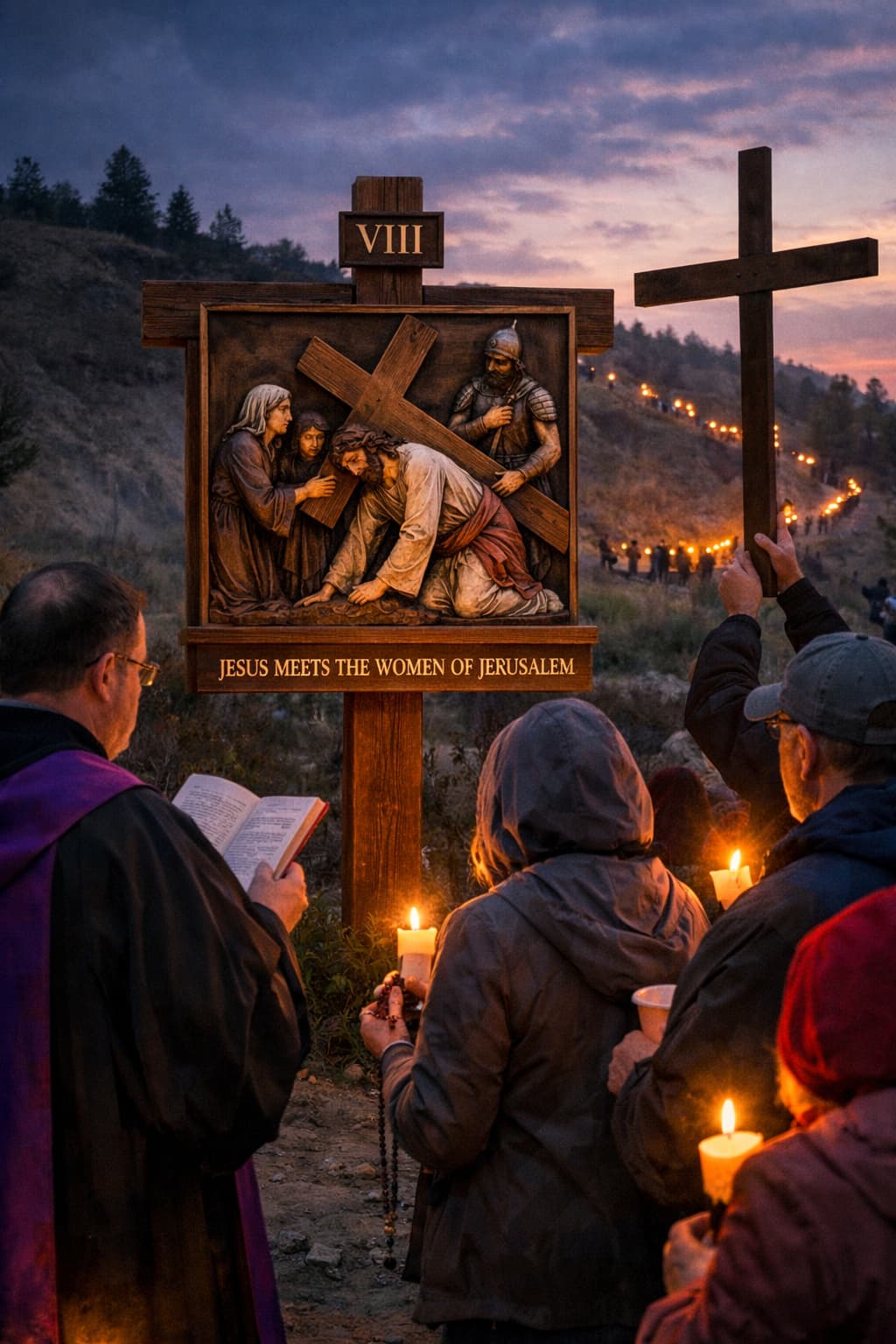
Way of the Cross
Praying the Stations of the Cross
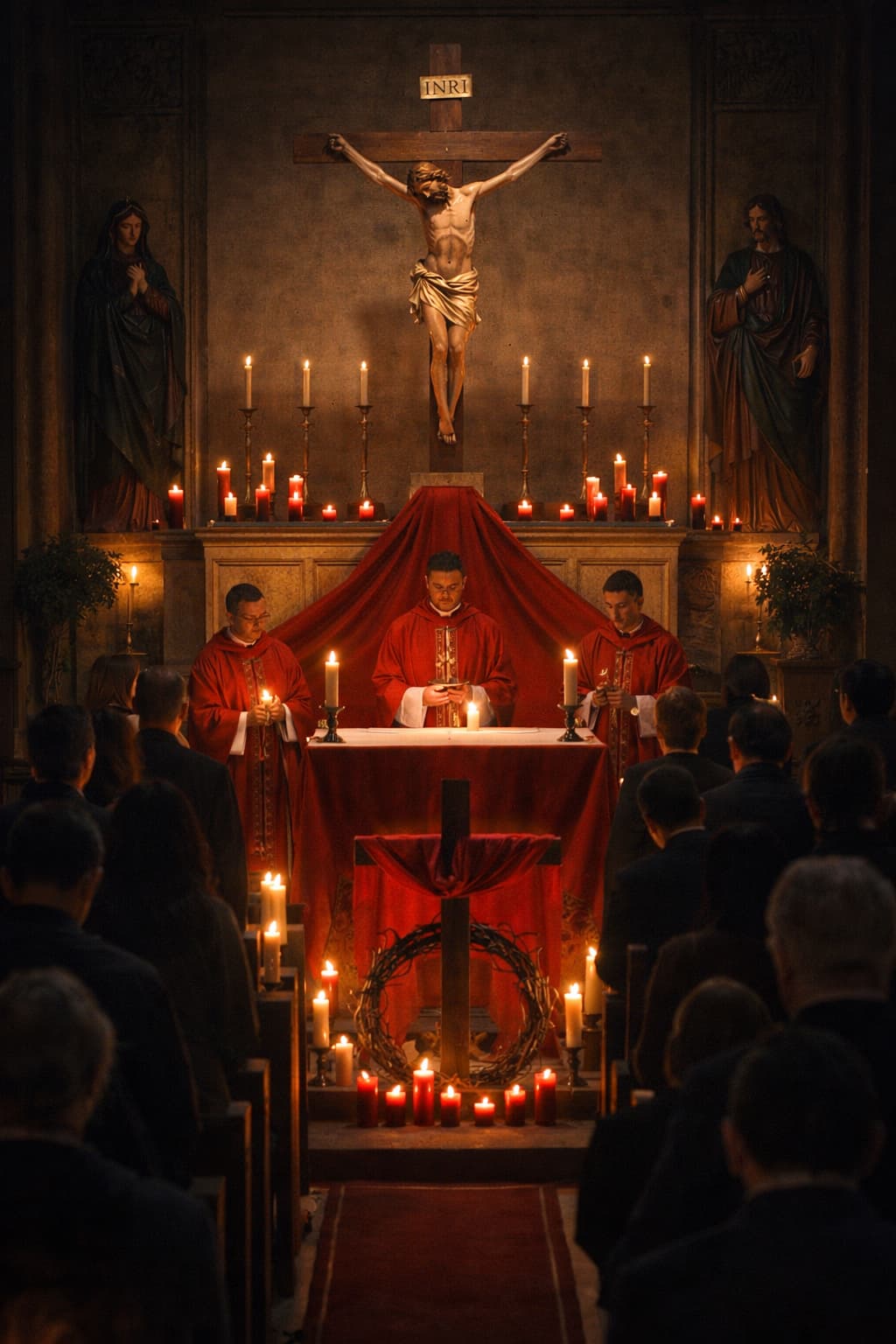
Church Services
Special Good Friday liturgies
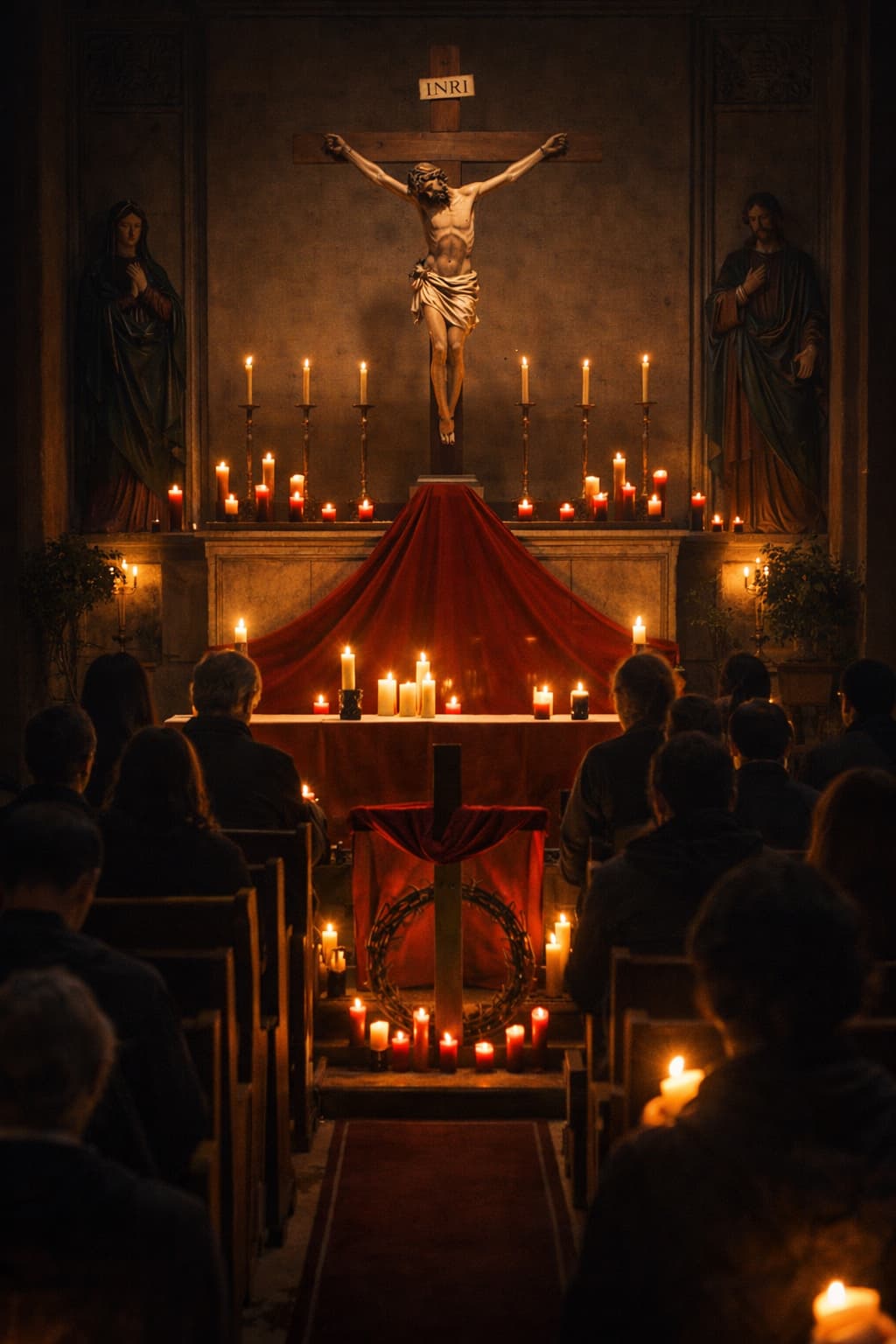
Prayer Vigils
Time for reflection and meditation

Hot Cross Buns
Traditional Good Friday food
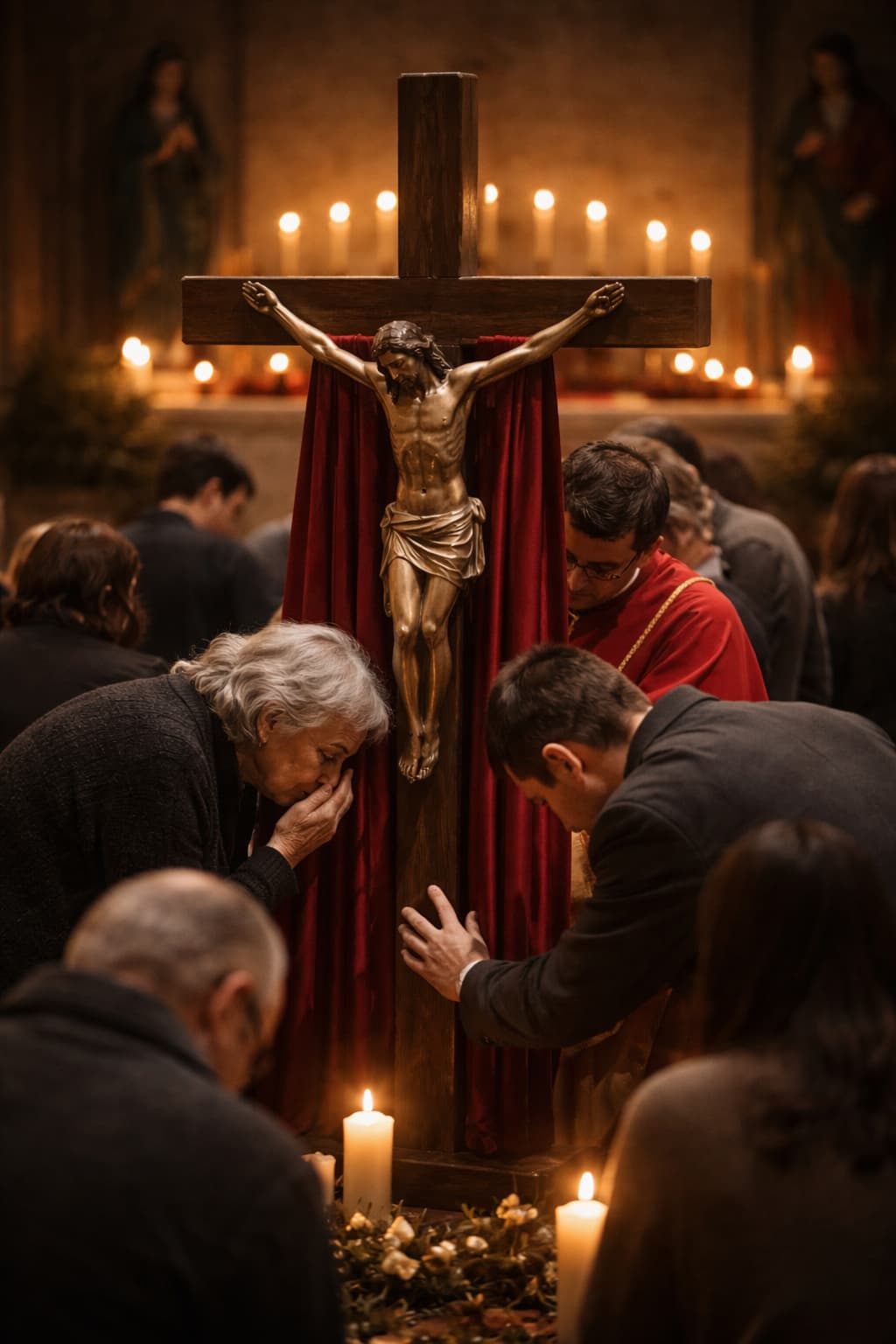
Veneration of Cross
Honoring the symbol of salvation
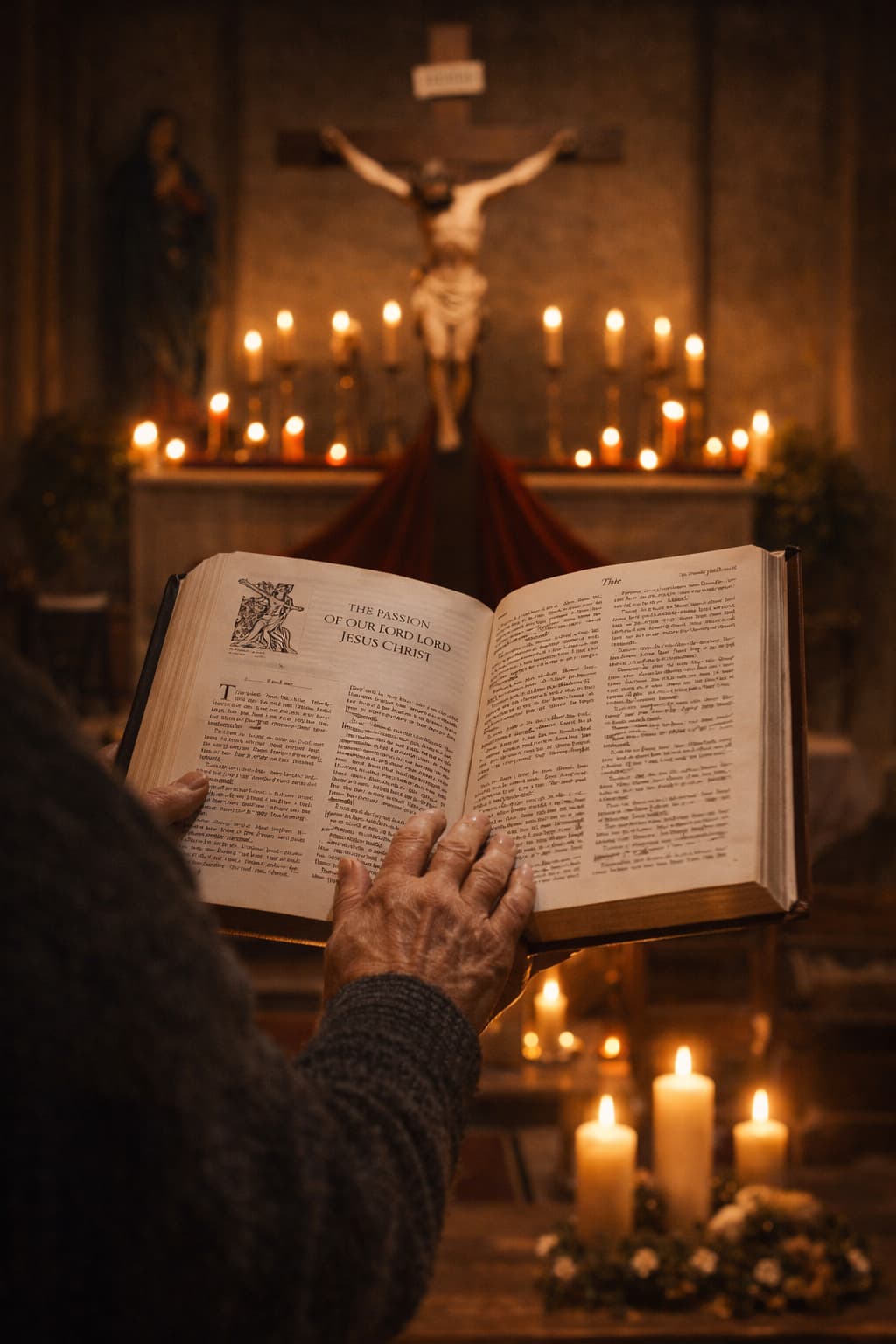
Scripture Reading
Reflecting on Passion narratives
Explore Other Festivals
Discover the rich cultural heritage through diverse festivals
Meaningful Good Friday Observance
Quiet Reflection
Set aside time for personal prayer and meditation on Christ's sacrifice and its meaning in your life.
Scripture Reading
Read the Passion narratives in the Gospels (Matthew 26-27, Mark 14-15, Luke 22-23, John 18-19).
Acts of Service
Perform acts of kindness and charity as a way to honor Christ's self-giving love.