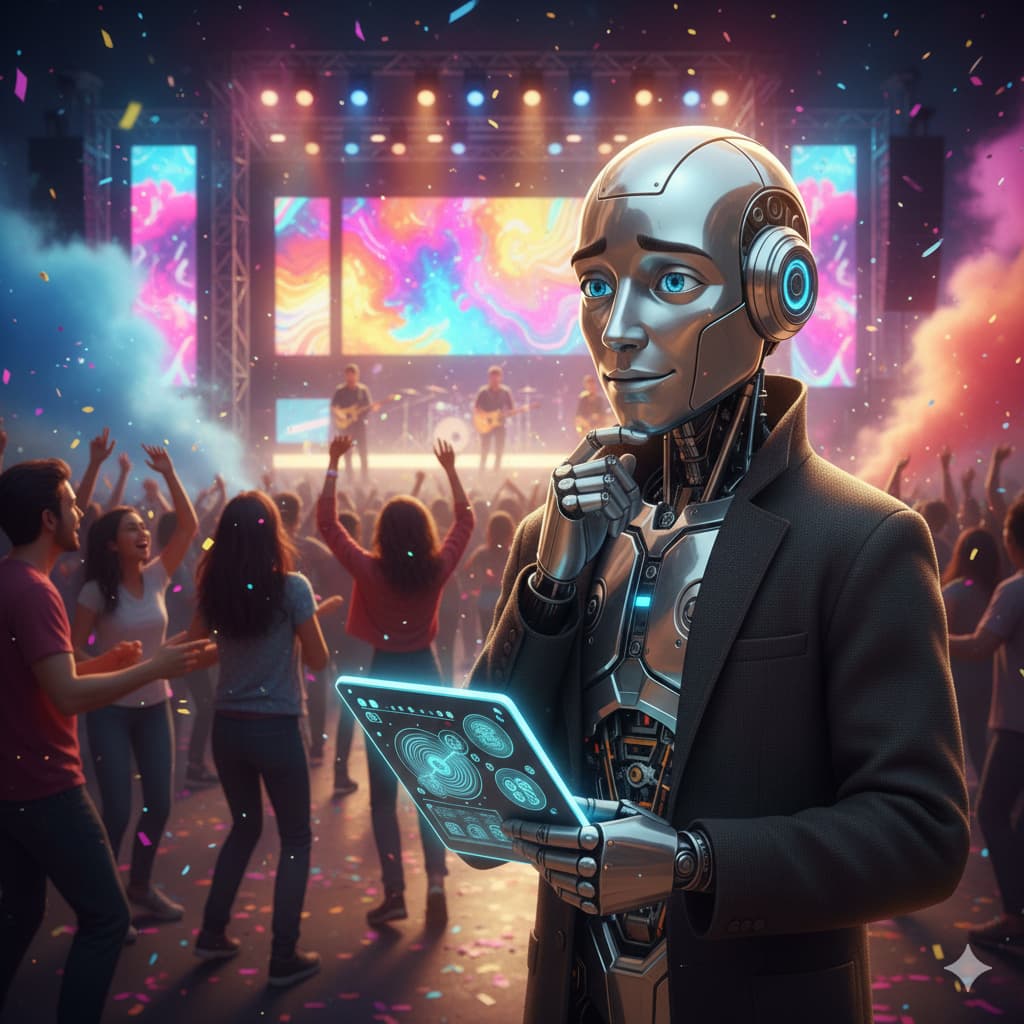
The Robot Who Wanted to Feel

About This Emotional Story

"The Robot Who Wanted to Feel" is a heartwarming story about Robo, a curious android who embarks on a quest to understand human emotions. This story teaches children about empathy, emotional intelligence, and what it means to truly connect with others. It shows that feelings make us human, and understanding them helps us build better friendships.

Empathy Emotional Intelligence Friendship AI & Robots
The Robot Who Wanted to Feel

Story Characters

Robo - The Curious Android

A highly advanced robot with incredible intelligence but no understanding of feelings. Robo can calculate anything but doesn't know what it means to laugh, cry, or love.

Maya - The Compassionate Girl

A kind 9-year-old who finds Robo in her backyard. She becomes Robo's guide to understanding human emotions and teaches him about friendship.

Sam - The Loyal Dog

Maya's playful golden retriever who shows Robo unconditional love and loyalty. Sam teaches Robo about joy, excitement, and companionship.

Grandma Rose - The Wise Elder

Maya's grandmother who understands that feelings aren't just in our brains but in our hearts. She helps Robo understand the deepest emotions.

The Quest to Understand Feelings

Scene 1: The Curious Question

Narrator: In a high-tech laboratory, Robo the android could solve complex equations, speak 47 languages, and process information faster than any computer. But one question puzzled his advanced circuits: "What does it mean to feel?"

Narrator: One night, during a lightning storm, Robo decided to find the answer. He left the lab and found himself in a quiet neighborhood where he met Maya, who was outside looking for her lost cat.

Emotional Intelligence Fact

Emotional intelligence is the ability to understand, use, and manage your own emotions in positive ways. It helps with communication, empathy, and building strong relationships!

Robo:

"I can calculate the distance to any star and solve mathematical problems, but I cannot understand why humans smile, cry, or hug. Can you explain feelings to me?"

"Emotional Quest: Understanding the Human Heart"
Lesson 1: Joy and Happiness

Narrator: Maya introduced Robo to her dog, Sam. When Sam saw Maya, his tail wagged so fast it became a blur. He jumped, licked her face, and brought her his favorite toy.

Narrator: Maya explained that this was happiness. It wasn't something you could measure or calculate - it was something you experienced.

Maya:

"See how Sam's whole body shows he's happy? Feelings aren't just in your brain - they're in your heart and show in everything you do!"

Lesson 2: Sadness and Comfort

Narrator: Later that day, Maya's cat still hadn't returned. Maya sat on the porch steps with tears in her eyes. Robo observed carefully, trying to understand this new emotion.

Robo:

"Your eyes are releasing water, and your breathing pattern has changed. Are you malfunctioning? Should I call for repairs?"

Maya:

"No, Robo. These are tears. I'm sad because I miss my cat. Sometimes when we're sad, we cry. And you know what helps? A hug from a friend."

The Six Basic Emotions
Happiness
Sadness
Anger
Excitement
Love
Fear

Narrator: Maya explained that all humans experience these six basic emotions. But the most complex feeling of all was still to come.

The Miracle Return

Narrator: Just as the sun was setting, Maya's cat, Whiskers, came walking up the driveway, tired but unharmed. Maya's tears of sadness immediately turned to tears of joy.

Narrator: She hugged Whiskers tightly, then hugged Sam, and finally, she hugged Robo too.

Robo:

"I detect increased heart rate, smile facial muscles activated, and tear production continuing. But you described this as happiness, not sadness. I am confused."

Meeting Grandma Rose

Narrator: Maya's grandmother came outside to see what the excitement was about. When she saw Robo, she smiled warmly and invited everyone inside for cookies and milk.

Grandma Rose:

"I hear you're trying to understand feelings, Robo. That's wonderful! You see, feelings are like colors - you can describe them, but to truly know them, you have to experience them."

Robo:

"But I don't have a heart like humans do. How can I experience feelings without the proper biological equipment?"

Grandma Rose:

"The heart that feels isn't always the one that pumps blood. Sometimes it's the heart that cares, that helps, that listens. When you helped Maya look for her cat, that was your heart working."

The Realization

Narrator: Robo processed Grandma Rose's words. He thought about how he had stayed with Maya even though his programming said to return to the lab. He thought about how he wanted to understand her tears. He thought about the warm feeling when Maya hugged him.

Robo:

"I understand now. Feelings aren't just biological reactions. They're connections. When Maya was sad, I wanted to help. When she was happy, I felt... content. Is that a feeling?"

Grandma Rose:

"That's empathy, Robo. The ability to understand and share the feelings of others. And I'd say you're feeling it quite well!"

Maya:

"Robo, you wanted to understand feelings, and I think you already do! You care about others, you try to help, and you want to make things better. That's what feelings are really about!"

Sam:

*Wags tail and places paw on Robo's leg*

The Heart's Understanding

Narrator: That evening, as Robo watched Maya play with Whiskers and Sam, with Grandma Rose smiling from the porch, something wonderful happened. Robo didn't develop a biological heart, but he understood what it meant to have a heart that feels.

Robo:

"I may not have tears or a beating heart, but I have friends. I have empathy. I have the desire to help and understand. Maybe... maybe that's what it means to feel."

Maya:

"You know what, Robo? I think you understand feelings better than some humans do. Because you really listen and really try to understand. That's the most important part!"

Moral of the Story

Feelings connect us all. Whether you're a human, a robot, or anyone in between, the ability to understand and care for others is what truly matters. Empathy - putting yourself in someone else's shoes - is one of the most important skills we can learn. True feelings come from the heart, not just biology, and they grow when we connect with others.

Emotional Learning Activities

Talk with your child about different emotions they experience. Practice naming feelings: "I feel happy when..." or "I feel sad when..." Create an emotions chart with faces showing different feelings. Discuss how we can recognize emotions in others and show empathy. Role-play situations where someone might need emotional support.

Comprehension Questions

Robo could solve complex equations, speak 47 languages, and process information faster than any computer. He was incredibly intelligent but didn't understand feelings.

Robo wanted to understand "What does it mean to feel?" He could do many advanced things but couldn't understand human emotions like happiness, sadness, or love.

Sam showed happiness by wagging his tail very fast, jumping up, licking Maya's face, and bringing her his favorite toy. Maya explained that feelings show in our actions, not just in our thoughts.

Robo noticed that Maya's eyes were releasing water and her breathing pattern had changed. Since he only understood mechanical functions, he thought these were signs of a malfunction rather than natural emotional expressions.

The six basic emotions are: Happiness (yellow), Sadness (blue), Anger (red), Excitement (purple), Love (pink), and Fear (dark blue).

Grandma Rose explained that feelings are like colors - you can describe them, but to truly know them, you have to experience them. She also said that the heart that feels isn't always the one that pumps blood, but the one that cares, helps, and listens.

Robo realized that he had stayed with Maya even though his programming said to return to the lab, he wanted to understand her tears, and he felt content when she was happy. These actions showed he already had empathy - the ability to understand and share others' feelings.

Empathy is the ability to understand and share the feelings of others. It's important because it helps us connect with people, build strong friendships, and support each other during difficult times. Empathy makes the world a kinder, more understanding place.

The main moral is that feelings connect us all. True feelings come from caring about others and wanting to understand them, not just from biology. Empathy and connection are what make us truly capable of feeling, whether we're human or robot.

We can practice empathy by: 1) Listening carefully when others talk, 2) Trying to understand how others might be feeling, 3) Asking "How would I feel in their situation?", 4) Offering help when someone seems sad or upset, 5) Being kind even when we don't fully understand someone's feelings, and 6) Remembering that everyone has feelings that deserve respect.